

53,99 €
inkl. MwSt.
Versandkostenfrei*
Versandfertig in 1-2 Wochen
payback
27 °P sammeln
  • Broschiertes Buch

Literary journalism is a rich field of study that has played an important role in the creation of the English and American literary canons. In this original and engaging study, Doug Underwood focuses on the many notable journalists-turned-novelists found at the margins of fact and fiction since the early eighteenth century, when the novel and the commercial periodical began to emerge as powerful cultural forces. Writers from both sides of the Atlantic are discussed, from Daniel Defoe to Charles Dickens, and from Mark Twain to Joan Didion. Underwood shows how many literary reputations are built…mehr

Produktbeschreibung
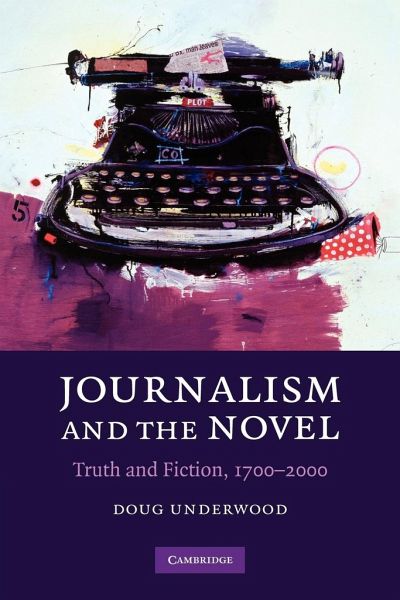
Literary journalism is a rich field of study that has played an important role in the creation of the English and American literary canons. In this original and engaging study, Doug Underwood focuses on the many notable journalists-turned-novelists found at the margins of fact and fiction since the early eighteenth century, when the novel and the commercial periodical began to emerge as powerful cultural forces. Writers from both sides of the Atlantic are discussed, from Daniel Defoe to Charles Dickens, and from Mark Twain to Joan Didion. Underwood shows how many literary reputations are built on journalistic foundations of research and reporting, and how this impacts on questions of realism and authenticity throughout the work of many canonical authors. This book will be of great interest to researchers and students of British and American literature.
Autorenporträt
Doug Underwood teaches about trauma and writing at the University of Washington. He is the author of Chronicling Trauma: Journalists and Writers on Violence and Loss. The book deals with the way journalists and literary figures have used fiction and nonfiction to explore the role of traumatic experience in their own and their characters' lives.