
Andere Kunden interessierten sich auch für
 Very Recent History14,99 €
 Outrages15,99 €
 Making History Matter30,99 €
 Live at Jackson Station18,99 €
 The Un-Natural State22,99 €
 Queering Urban Justice33,99 €
 Everyday Revolutions: Remaking Gender, Sexuality and Culture in 1970s Australia32,99 €






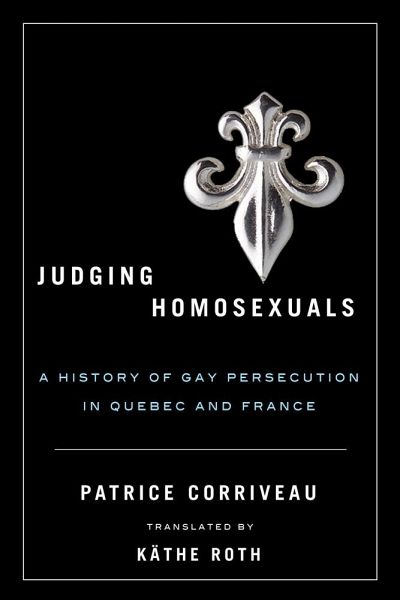
In 2004, the first same-sex couple legally married in Quebec. How did homosexuality - an act that had for centuries been defined as abominable and criminal - come to be sanctioned by law? Judging Homosexuals finds answers in a comparative analysis of gay persecution in France and Quebec, places that share a common culture but have diverging legal traditions. In both settings, Patrice Corriveau explores how various groups - family and clergy, doctors and jurists - tried to manage people who were defined in turn as sinners, as criminals, as inverts, and as citizens to be protected by law. By bringing to light the various discourses that have over time supported the control and persecution of individual homoerotic behaviour in France and Quebec, this book makes the case that when it came to managing sexuality, the law helped construct the crime.