
Andere Kunden interessierten sich auch für
") Physical Fitness Parameters (Adolescent Cricketers)33,99 €
Physical Fitness Parameters (Adolescent Cricketers)33,99 € Body Mass Index,Body Fat and Blood Pressure33,99 €
 Eye-Hand Coordination and School Performance41,99 €
 Interpersonal Coordination Tendencies in Soccer45,99 €
 Coordination among handball players at different playing positions41,99 €
 Interval and Repetition Training Improves the Performance of Sprinters27,99 €
 Motor coordination and expertise39,99 €
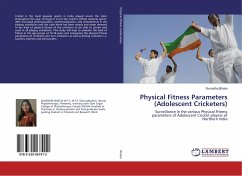
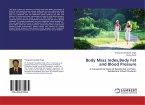

The objective of this book is to investigate the relationship between different testing methods and heart rate in judo athletes During Judo Matches. Eight lightweight (<66 kg and <73 kg) University Division I judoka were tested (mean age: 21 ± 1.06 years; height: 171 ± 6.84 cm; weight: 69 ± 5.59 kg; years of training: 10±2 years). Each athlete performed a 10-second continuous over-the-shoulder wrestling attack, a crucifixion run, a 150-meter speed run, and a 90-second attack test to compare anaerobic heart rate responses during judo-specific competition training. Data were analyzed using Pearson's cumulative correlation and repeated measures ANOVA. The 150m sprint was significantly correlated with the 90-second judo test (r² = 0.5). The coordination test showed a moderate correlation with the judo-specific test (r² = 0.3). The judo UKSN was strongly correlated with the coordination test (r² = 0.7) but not with the 3m cross run (r² = 0.1). The four-limit analysis model highlights the strengths and weaknesses of athletes' basic and specialized abilities. Poor basic abilities in judo can impact performance in specialized sports.