
Andere Kunden interessierten sich auch für
 Stolen Honor107,99 €
 Understories107,99 €
 Unité de L'Espèce Humaine36,99 €
 Measuring the Master Race48,99 €
 Quantitative Real-Time PCR in Applied Microbiology219,99 €
 Real-Time PCR219,99 €
 Promise Fulfilled22,99 €






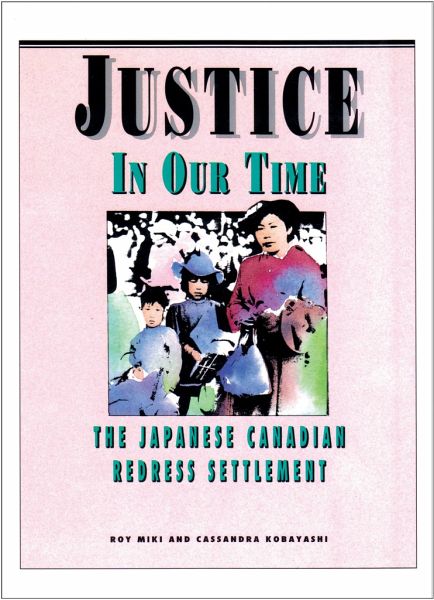
From 1942 to 1949, a group of innocent Canadians were uprooted from their homes and businesses on the west coast, dispossessed, and forced to disperse across Canada, merely on the basis of their Japanese ancestry. Some 4,000 were even exiled to wartorn Japan. These injustices remained unresolved for nearly forty years. Then in the 1970s, a handful of Japanese Canadians began a movement to seek redress for these wrongs, through a negotiated settlement with the Government of Canada. What began as the dream of a few became a national movement that captured the attention of the entire Canadian public by the mid-1980s. The Redress Settlement signed on September 22, 1988 by the National Association of Japanese Canadians (NAJC) and the Prime Minister of Canada was hailed as a major victory for human rights. The substantial Redress Settlement negotiated by the National Association of Japanese Canadians offered: Individual compensation to Japanese Canadians directly affected by the injustices A community fund to assist in rebuilding the community that was destroyed pPrdons for those wrongfully convicted under the War Measures Act The offer of citizenship to those exiled and to their descendants The establishment of a Canadian Race Relations Foundation to combat racism Justice in Our Time celebrates Japanese Canadian redress. From the historic injustices, through the redress movement, to the final events leading up to the settlement day on September 22, 1988-the dramatic story of redress is told through a rich interweaving of commentary, photographs, quotations, and historic documents.