68,99 €
inkl. MwSt.
Versandkostenfrei*Erscheint vorauss. Februar 2026
Melden Sie sich
hier
hier
für den Produktalarm an, um über die Verfügbarkeit des Produkts informiert zu werden.

34 °P sammeln
Andere Kunden interessierten sich auch für
 Killing in War30,99 €
 A Theory of Legal Monsters: Repression, Resistance, Rebellion91,99 €
 Philosophy of Artificial Intelligence106,99 €
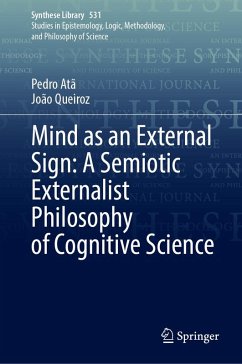
 Mind as an External Sign: A Semiotic Externalist Philosophy of Cognitive Science76,99 €
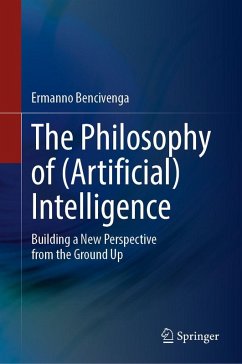
 Intelligence") The Philosophy of (Artificial) Intelligence68,99 €
The Philosophy of (Artificial) Intelligence68,99 € Judgment under Uncertainty43,99 €
 Why Look at Animals?9,99 €

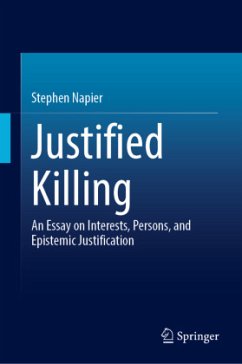
This project argues that arguments for the permissibility of killing specifically, arguments in favor of abortion and euthanasia fail to justify their conclusions. At best, these arguments form a merely coherent network, but ultimately evince a circular pattern of justification. This book traces the two principal arguments made in support of permissible abortion: arguments based on a time-relative interest account of wrongdoing; and arguments based on the non-personhood of what is killed. It also addresses the principal arguments made in support of permissible euthanasia, namely arguments based on the value of autonomy and compassion. For each argument, this book argues that it suffers from various defects. The book thus concludes that arguments for abortion and euthanasia are unjustified.