Andere Kunden interessierten sich auch für


Rudyard Kipling's epic rendition of the imperial experience in India is also his greatest long work. Born in India and growing into early manhood, Kim wants to play the "great game" of imperialism. He is also spiritually bound to the lama, an old ascetic priest. As the two men become fired by a quest that takes them across the country, Kim tries to reconcile these opposing impulses. A celebration of their friendship in an often hostile environment, "Kim" captures at once the opulence of India's exotic landscape and the uneasy presence of the British Raj.
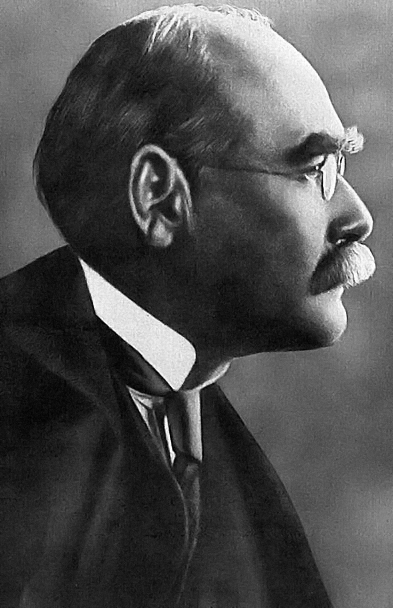
Rudyard Kipling (1865 1936) was a British author and poet who was born in Bombay, British India. As seen by his evocative depictions of colonial life, Kipling's early years in India had a profound influence on his later works. A large portion of his early years were spent apart from his parents; this is portrayed in his narrative "The Jungle Book." With a wide variety of works, including novels, poetry, and short tales, Kipling's creative career took off. His most famous works are "Kim," a book set in British India, and "The Jungle Book," an anthology of tales that went on to become a classic in children's literature. Kipling was the youngest recipient of the Nobel Prize in Literature when it was granted in 1907. Themes of imperialism, patriotism, and the intricacies of cross-cultural relationships were frequently covered in his writings. Because of his imperialist beliefs, Kipling's legacy has come under fire even though he was quite popular during his lifetime. However, his place in literary history has been cemented by his ability to fascinate readers with his storytelling prowess and his effect on adventure literature.