
Andere Kunden interessierten sich auch für
 Transportation of Dangerous Goods by Road24,99 €
 CINETICA DEL TRASPORTO DI FRUTTA SU STRADA39,99 €
 KINETIK DES OBSTTRANSPORTS AUF DER STRASSE60,90 €
 KINETIKA PEREVOZKI FRUKTOV AVTOMOBIL'NYM TRANSPORTOM39,99 €
 Cycle transportation16,99 €
 Study of the nutritional and medicinal values of the Jato tree and fruit27,99 €
 Alcoholic Fermentation24,99 €
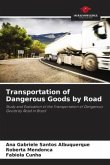
Research estimates that up to 40% of agricultural production is lost in the post-harvest stages. This study analyzes the influence of corrugated cardboard and EPS packaging in protecting mangoes from the effects of vibration during road transportation. Compression tests were carried out on the packaging and its materials, where it was found that the cardboard packaging has greater resistance than the EPS packaging, 7058N to 2972N. The packages containing mangoes of two varieties, Tommy and Palmer, were subjected to vibration at a frequency of 30 Hz and an amplitude of 0.86 mm for a period of seven hours on a vibrating table built for this purpose. After this, the mangoes were stored in an environment with a temperature of 22ºC and relative humidity of approximately 40% for a period of 15 days. The mangoes were analyzed using absorbance, firmness, soluble solids and mass loss tests on day zero and every five days, checking for damage and any loss of fruit quality. The results of all the tests showed that there was a tendency for cardboard packaging to offer greater protection to the fruit when compared to EPS packaging.