Andere Kunden interessierten sich auch für
 Dancing With a Royal16,99 €
 The Royal Nothings26,99 €
 Royal Secrets36,99 €
 Royal Favour18,99 €
 Royal14,99 €
 Royal Reckoning15,99 €
 A Royal Enchantress31,99 €

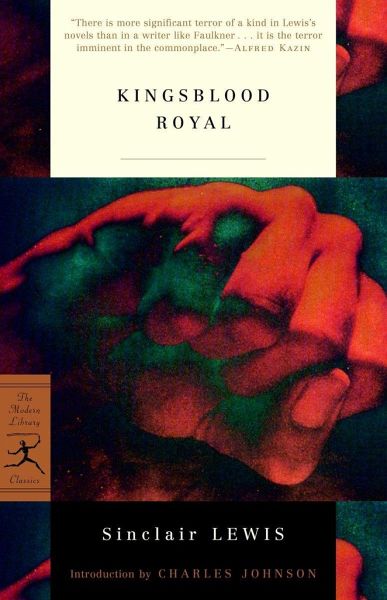
A neglected tour de force by the first American to win the Nobel Prize in literature, Kingsblood Royal is a stirring and wickedly funny portrait of a man who resigns from the white race. When Neil Kingsblood a typical middle-American banker with a comfortable life makes the shocking discovery that he has African-American blood, the odyssey that ensues creates an unforgettable portrayal of two Americas, one black, one white. As timely as when it was first published in 1947, one need only open today's newspaper to see the same issues passionately being discussed between blacks and whites that we find in Kingsblood Royal, says Charles Johnson. Perhaps only now can we fully appreciate Sinclair Lewis's astonishing achievement.
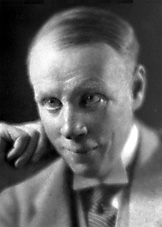
Born in 1885 in Sauk Centre, Minnesota, Sinclair Lewis grew up as the son of a country doctor. A bookish and imaginative child, he often felt out of place in his small-town surroundings. This sense of detachment later shaped his sharp critiques of American provincial life.After graduating from Yale in 1908, Lewis worked in journalism and publishing before finding success as a novelist. His 1920 novel Main Street became a sensation, exposing the narrow-mindedness of small-town America. He followed it with Babbitt, Arrowsmith, and Elmer Gantry, each offering bold social commentary.In 1930, Lewis became the first American to win the Nobel Prize in Literature for his vivid storytelling and satire. Despite struggles with alcoholism, he continued writing until his death in 1951. His legacy endures through his fearless critiques of American culture and society.