
Andere Kunden interessierten sich auch für
 Routledge Handbook of Contemporary South Korea45,99 €
 Korea and the Global Society36,99 €
 Gender in Modern East Asia54,99 €
 Heilige Drachen Band II35,00 €
 Heilige Drachen Band II25,00 €
 The Development of Institutions Under Irrigation, With Special Reference to Early Utah Conditions36,99 €
 Routledge Handbook of Modern Japanese History45,99 €
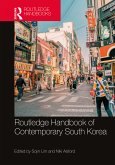
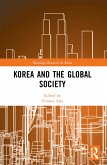

Based on personal interviews with the principal policy-makers of the 1970s, Korea's Development under Park Chung-Hee examines how the president sought to develop South Korea into an independent, autonomous sovereign state both economically and militarily. Kim provides a new narrative in the complex task of exploring the paradoxical nature and effects of Korea's rapid development which maintains that any judgement of Park must consider his achievements in the socio-economic, cultural and political context in which they took place. Aspects of Park's government analyzed include:
_his abhorrence of Korea's reliance on the US presence
_the Korean model of state-guided industrialization
_Park's rapid development strategy
_the role of the ruling elites
_Park's clandestine nuclear development program
_the heavy chemical industrialisation of the 1970s
The prevailing popularity of Park in the eyes of the Korean public is significant and relevant to their acceptance ofhow their national development was achieved. This book tells that story while simultaneously recognizing the flaws in the process. With a great deal of material never before published, scholars of Korean politics and history at all levels will find this book a stimulating account of South Korea in the 1960s and 1970s.
_his abhorrence of Korea's reliance on the US presence
_the Korean model of state-guided industrialization
_Park's rapid development strategy
_the role of the ruling elites
_Park's clandestine nuclear development program
_the heavy chemical industrialisation of the 1970s
The prevailing popularity of Park in the eyes of the Korean public is significant and relevant to their acceptance ofhow their national development was achieved. This book tells that story while simultaneously recognizing the flaws in the process. With a great deal of material never before published, scholars of Korean politics and history at all levels will find this book a stimulating account of South Korea in the 1960s and 1970s.