
Andere Kunden interessierten sich auch für
 The Colonial Documentary Film in South and South-East Asia121,99 €
 Towards an Intermedial History of Brazilian Cinema91,99 €
 Contemporary Japanese Cinema Since Hana-Bi121,99 €
 Women in East Asian Cinema116,99 €
 Pop Cinema116,99 €
 The Sex Slave in Cinema116,99 €
 Late Westerns52,99 €






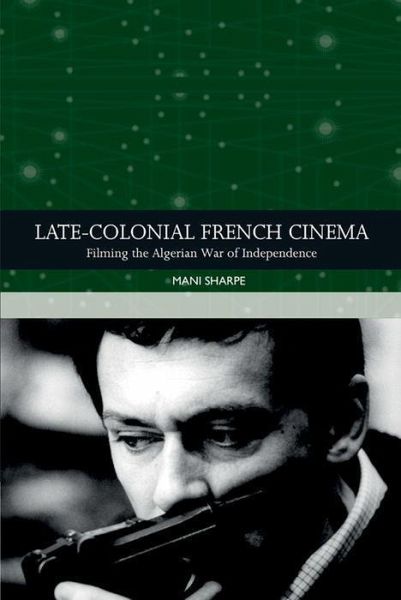
Deploying the term 'late-colonial' to describe a body of largely French films made during, and in response to, the Algerian War of Independence (1954-1962), this book revolves around one question - what is late-colonial French cinema? - generating two answers. Firstly, Sharpe argues that late-colonial cinema represents a formally and thematically important, yet unappreciated tendency in French cinema; one that has largely been overshadowed by a scholarly focus on the French New Wave. Secondly, Sharpe contends that whilst late-colonial French cinema cannot be seen as a coherent cinematic movement, school of filmmaking, or genre, it can be seen as a coherent ethical trend, with many of the fifteen central case studies explored in Late-colonial French Cinema filtering the Algerian War of Independence through a discourse of 'redemptive pacifism'.