
Andere Kunden interessierten sich auch für
 Promise of Education for Sustainable Development") Covid-19 and the (Broken) Promise of Education for Sustainable Development52,99 €
Covid-19 and the (Broken) Promise of Education for Sustainable Development52,99 € Transformative Steam Education for Sustainable Development52,99 €
 Education, Inclusion, Pluralism and United Nations Sustainable Development Goals60,99 €
 Education for Sustainable Development in the 'Capitalocene'53,99 €
 Higher Education and Sustainable Development58,99 €
 Sustainable Development and Learning59,99 €
 School Environment and Sustainable Development Goals Beyond 203021,99 €
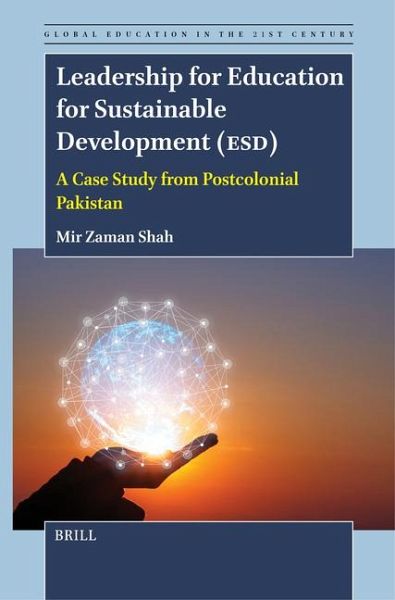
This book explores the dynamic interplay between educational leadership, sustainable development, and quality education. Drawing on postcolonial and development theories, it examines the colonial legacies and lingering neocolonial influences on postcolonial Pakistan's development and education. Situated in a close analysis of Aga Khan Schools in Chitral District in Khyber Pakhtunkhwa Province, it analyses the key challenges and opportunities educational leaders face in realising the promise of quality education for all. The author critically engages with the global SDG frameworks and simultaneously examines the locally sensitive strategies educational leaders employ to promote access to quality education for sustainable development (ESD).