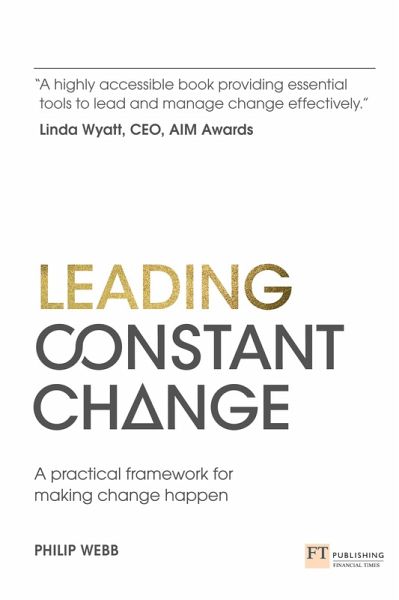
Driving change is a key priority for all business leaders. But planning change initiatives, engaging people with new ideas and ensuring momentum are all easier said than done. This 15-step framework for leading change provides a practical toolkit for doing just that. Discover: · The secret ingredients of effective change · How to create a robust change strategy · Ways to keep your people engaged and motivated · Techniques to accelerate execution Leading Constant Change gives you the tools you need to stay one step ahead.
Driving change is a key priority for all business leaders. But planning change initiatives, engaging people with new ideas and ensuring momentum are all easier said than done. This 15-step framework for leading change provides a practical toolkit for doing just that.
Discover:
· The secret ingredients of effective change
· How to create a robust change strategy
· Ways to keep your people engaged and motivated
· Techniques to accelerate execution
Leading Constant Change gives you the tools you need to stay one step ahead.
Philip Webb is CEO of TAM (UK) plc. He specialises in delivering high value human capital change management to both private and public sector organisations. Philip is one of the forerunners in recognising the value of Employee Engagement in improving business performance and deploying it via the internationally recognised Team Action Management programme. TAM (UK) has now expanded his client base to Europe, Africa and the Americas.
Inhaltsangabe
Foreword Introduction
Part one – Setting the scene for change CHAPTER 1: SO WHY DO I NEED TO CHANGE? Changes to the social environment Technology is changing Population and demographics are changing your markets are changing your people are changing What does this mean for my business? CHAPTER 2: WHY THEN IS CHANGE SO HARD? Using consistency and fairness to support change planning Change thinking CHAPTER 3: WHAT ARE THE SECRET INGREDIENTS OF EFFECTIVE CHANGE? How to Install trust and fairness Performance module 1: Participative Planning Performance module 2: Strategic Appraisal Performance module 3: Financial Understanding Performance module 4: Unbiased Team Accommodation CHAPTER 4: HOW DO I USE AND INSTALL A CHANGE FRAMEWORK? Building the case for Change
Part TWO - The 15 Steps to Leading Constant Change STEP 1: DEFINE YOUR KILLER STRATEGY FOR CHANGE STEP 2: ASSEMBLING YOUR NINJA CHANGE PLANNING TEAM STEP 3: OVER-COMMUNICATE THE STRATEGY STEP 4: HOW TO REALLY ENGAGE YOUR STAFF STEP 5: UNDERSTAND YOUR CHANGE PLAN STEP 6: WHERE IS THE MONEY? STEP 7: ACCELERATED PLANNING BY PROJECTS STEP 8: HOW YOUR BUSINESS ACTUALLY WORKS STEP 9: HOW TO CREATE THE THEATRE FOR CHANGE STEP 10: INSTAL FAIRNESS AS A SUPERIOR CHANGE DRIVER STEP 11: CONDUCT THE “CHANGE PLANNING” SESSION STEP 12: USE YOUR ENTIRE STAFF TO EXTEND YOUR PLAN STEP 13: YOUR HIGH PERFORMANCE PLAN STEP 14: PUBLISH TO ACCELERATE YOUR RESULTS STEP 15: HOW TO DRIVE RAPID EXECUTION
Part THREE – IT’S THE RESULTS THAT COUNT CHAPTER 5: HOW TO GET THE RESULTS YOU DESERVE Defining Results CHAPTER 6: HOW TO MAKE CHANGE A HABIT, NOT JUST AN EVENT Getting into CHANGE thinking CHAPTER 7: TEAM ACTION MANAGEMENT REVEALED The Clients of Team Action Management CHAPTER 8 CONCLUSION
Appendix: YOUR PERSONAL RESOURCE CHEST Acknowledgements
Part one – Setting the scene for change CHAPTER 1: SO WHY DO I NEED TO CHANGE? Changes to the social environment Technology is changing Population and demographics are changing your markets are changing your people are changing What does this mean for my business? CHAPTER 2: WHY THEN IS CHANGE SO HARD? Using consistency and fairness to support change planning Change thinking CHAPTER 3: WHAT ARE THE SECRET INGREDIENTS OF EFFECTIVE CHANGE? How to Install trust and fairness Performance module 1: Participative Planning Performance module 2: Strategic Appraisal Performance module 3: Financial Understanding Performance module 4: Unbiased Team Accommodation CHAPTER 4: HOW DO I USE AND INSTALL A CHANGE FRAMEWORK? Building the case for Change
Part TWO - The 15 Steps to Leading Constant Change STEP 1: DEFINE YOUR KILLER STRATEGY FOR CHANGE STEP 2: ASSEMBLING YOUR NINJA CHANGE PLANNING TEAM STEP 3: OVER-COMMUNICATE THE STRATEGY STEP 4: HOW TO REALLY ENGAGE YOUR STAFF STEP 5: UNDERSTAND YOUR CHANGE PLAN STEP 6: WHERE IS THE MONEY? STEP 7: ACCELERATED PLANNING BY PROJECTS STEP 8: HOW YOUR BUSINESS ACTUALLY WORKS STEP 9: HOW TO CREATE THE THEATRE FOR CHANGE STEP 10: INSTAL FAIRNESS AS A SUPERIOR CHANGE DRIVER STEP 11: CONDUCT THE “CHANGE PLANNING” SESSION STEP 12: USE YOUR ENTIRE STAFF TO EXTEND YOUR PLAN STEP 13: YOUR HIGH PERFORMANCE PLAN STEP 14: PUBLISH TO ACCELERATE YOUR RESULTS STEP 15: HOW TO DRIVE RAPID EXECUTION
Part THREE – IT’S THE RESULTS THAT COUNT CHAPTER 5: HOW TO GET THE RESULTS YOU DESERVE Defining Results CHAPTER 6: HOW TO MAKE CHANGE A HABIT, NOT JUST AN EVENT Getting into CHANGE thinking CHAPTER 7: TEAM ACTION MANAGEMENT REVEALED The Clients of Team Action Management CHAPTER 8 CONCLUSION
Appendix: YOUR PERSONAL RESOURCE CHEST Acknowledgements
Es gelten unsere Allgemeinen Geschäftsbedingungen: www.buecher.de/agb
Impressum
www.buecher.de ist ein Internetauftritt der buecher.de internetstores GmbH
Geschäftsführung: Monica Sawhney | Roland Kölbl | Günter Hilger
Sitz der Gesellschaft: Batheyer Straße 115 - 117, 58099 Hagen
Postanschrift: Bürgermeister-Wegele-Str. 12, 86167 Augsburg
Amtsgericht Hagen HRB 13257
Steuernummer: 321/5800/1497
USt-IdNr: DE450055826