

Andere Kunden interessierten sich auch für
 Technische Untersuchung von Unfällen in der Schifffahrt59,90 €
 Police Militarization38,99 €
 Use of Force Training in Law Enforcement53,99 €
 Community-Oriented Policing and Technological Innovations16,99 €
 Foot Patrol46,99 €
 Policing Terrorism, Crime Control, and Police-Community Relations38,99 €
 Policing Terrorism, Crime Control, and Police-Community Relations38,99 €





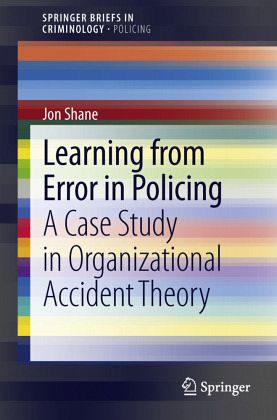
While the proximate cause of any accident is usually someone's immediate action- or omission (failure to act)-there is often a trail of underlying latent conditions that facilitated their error: the person has, in effect, been unwittingly "set up" for failure by the organization. This Brief explores an accident in policing, as a framework for examining existing police practices. Learning from Error in Policing describes a case of wrongful arrest from the perspective of organizational accident theory, which suggests a single unsafe act-in this case a wrongful arrest-is facilitated by several underlying latent conditions that triggered the event and failed to stop the harm once in motion. The analysis demonstrates that the risk oferrors committed by omission (failing to act) were significantly more likely to occur than errors committed by acts of commission. By examining this case, policy implications and directions for future research are discussed. The analysis of this case,and the underlying lessons learned from it will have important implications for researchers and practitioners in the policing field.