
25,99 €
inkl. MwSt.
Versandkostenfrei*Erscheint vorauss. 31. Mai 2026
Melden Sie sich
hier
hier
für den Produktalarm an, um über die Verfügbarkeit des Produkts informiert zu werden.

13 °P sammeln
Andere Kunden interessierten sich auch für
 Our Work Is But Begun31,99 €
 The No-popery Agitation And The Liverpool Corporation Schools14,99 €
 The Scottish Journal of Topography, Antiquities, Traditions, &c31,99 €
 History of the Scottish Nation: The Celtic Christianisation: Embracing the Epochs of Ninian, Patrick, Columba, Columbanus, and the Culdee Church24,99 €
 Kalendars of Scottish Saints: With Personal Notices of Those of Alba, Laudonia, & Strathclyde: an Attempt to fix the Districts of Their Several Miss28,99 €
 Scottish Soldiers of Fortune23,99 €
 The Scottish War Of Independence: Its Antecedents And Effects; Volume 127,99 €
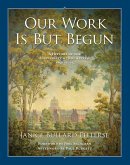
This book highlights the role of knowledge in school education. It shows that while the Scottish education system used to be among the strongest in Europe, its students' attainment has dropped in recent years. The book argues that the clue to this decline is the new curriculum which has been in place for two decades. Lindsay Paterson notes the commendable aims of this approach, which includes working across subject boundaries, application of learning to real-world problems and focusing on creativity and citizenship. Studying Scotland's strong educational reputation in the past and comparing it to other countries, such as Estonia, Singapore, Ireland and Japan, Paterson argues that the most student-centred education is one that is based on knowledge. This is key to students' understanding, to their personal fulfilment, to their successful careers, and to their ability to make a worthwhile contribution to society.