
Andere Kunden interessierten sich auch für
 The History Of Witchcraft And Demonology23,99 €
 Supernatural Texas18,99 €
 Supernatural Mid-Atlantic15,99 €
 Pittsburgh Ghosts10,99 €
 Natural Causes and Supernatural Seemings23,99 €
 Supernatural Hawaii13,99 €
 A Manual of Demonology and the Occult11,99 €



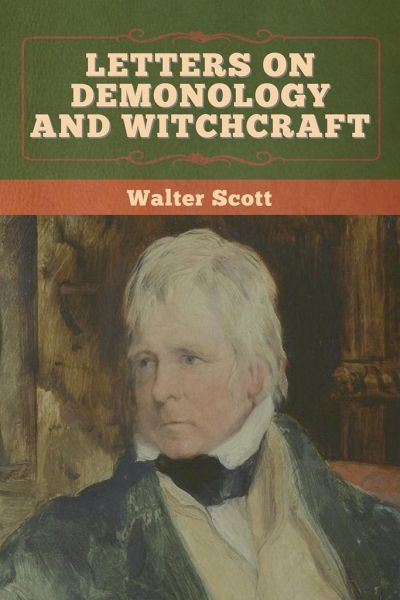
Letters on Demonology and Witchcraft Addressed to J. G. Lockhart, Esq. (1830) was a study of witchcraft and the supernatural by Sir Walter Scott. A lifelong student of folklore, Scott was able to draw on a wide-ranging collection of primary and secondary sources. His book found many readers throughout the 19th century, and exercised a significant influence in promoting the Victorian vogue for Gothic and ghostly fiction. Though on first publication it met with mixed reviews, it is now recognised as a pioneering work of scientific anthropology, treating of its subject in an acute and analytical way which prefigures later scholarship on the subject, as well as presenting a highly readable collection of supernatural anecdotes. The book is divided into ten parts, each taking the form of a letter from the author to his son-in-law, J. G. Lockhart. This format allows Scott to write in an informal, discursive manner, enhancing the book's readability. He presents a wide survey of attitudes to demonology and witchcraft from Biblical times up to the 19th century, illustrating it with a large number of anecdotes of individual cases. He considers also the topics of ghosts, fairies, brownies, elves, second sight, and the mythologies of the various Germanic peoples. Belief in these phenomena is presented as the result of ignorance and prejudice, which was eventually dispersed by the rise of rationalist philosophy in the 18th century. Witchcraft prosecutions were, he points out, often directed against heretics and political undesirables. Throughout he treats his subjects in the analytical, rationalist manner to be expected of an heir of the Scottish Enlightenment. (wikipedia.org)