
Andere Kunden interessierten sich auch für
 Liberty and Landscape83,99 €
 The Restless Compendium22,99 €
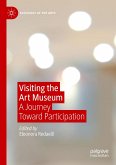
 Visiting the Art Museum106,99 €
 Visiting the Art Museum106,99 €
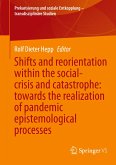
 Shifts and reorientation within the social-crisis and catastrophe: towards the realization of pandemic epistemological processes61,99 €
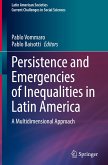
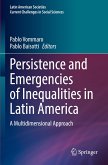
 Persistence and Emergencies of Inequalities in Latin America106,99 €
 Persistence and Emergencies of Inequalities in Latin America106,99 €
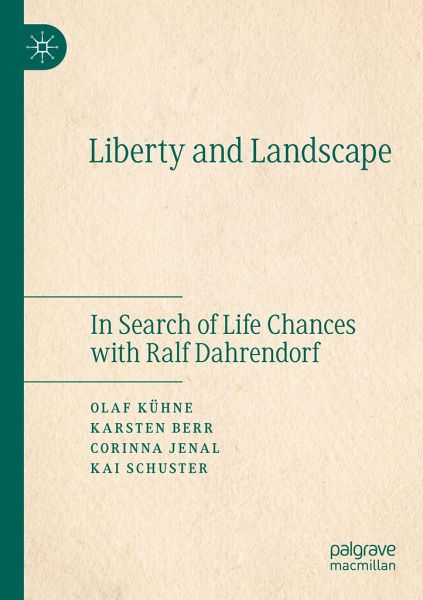
This book explores the importance of freedom and liberalism in the context of socialities, individualities and materialities. The authors provide a highly unusual and innovative blending of concepts about space and landscape through a deeply theoretical exploration of liberalism.
Liberalism is often problematized in contemporary discussions with regard to gentrification, environmental problems and inequality. In contrast, this book refers to a liberalism that maximizes life chances in the context of dealing with spaces. A connection between freedom and space, based on liberal ideas, provides a much needed theoretical intervention in the fields of social and spatial sciences.
Liberalism is often problematized in contemporary discussions with regard to gentrification, environmental problems and inequality. In contrast, this book refers to a liberalism that maximizes life chances in the context of dealing with spaces. A connection between freedom and space, based on liberal ideas, provides a much needed theoretical intervention in the fields of social and spatial sciences.