
Andere Kunden interessierten sich auch für
 Trauma14,99 €
 Where Shadows Begin15,99 €
 Effects of and Interventions for Childhood Trauma from Infancy Through Adolescence81,99 €
 Emotional Abuse and Trauma Recovery17,99 €
 Your Own Wheeling to Healing13,99 €
 Healing Your Dysregulated Nervous System After Trauma16,99 €
 Resilience20,99 €




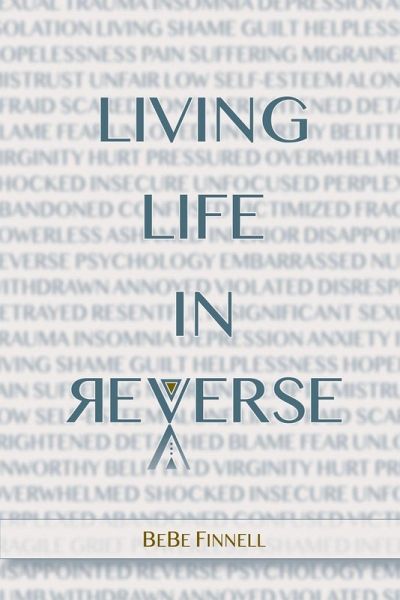
Living Life in Reverse follows Mara, a woman haunted by the lasting effects of childhood sexual abuse. At thirteen, she was assaulted by her mother's boyfriend, Fox, leaving deep scars that shape her adulthood. Though now married to Ian and raising their daughter Willow, Mara's life remains overshadowed by trauma, sleeplessness, and emotional isolation. The novel moves between past and present, showing how Mara's nightmares, migraines, and insomnia mirror her inner torment. She refuses therapy and medication despite her doctor's insistence, convinced they only mask her pain. Her refusal to confront her trauma traps her in a cycle of avoidance, self-blame, and fear. Ian is patient and loving but increasingly frustrated by Mara's silence. His efforts to help by encouraging her to take her medication, talk about her feelings, and seek therapy, often meet resistance. He feels helpless as his wife retreats further into herself. Their daughter, Willow, becomes an unintended casualty, sensing her mother's distance though she cannot understand it. Mara fears becoming like her own mother, addicted, neglectful, and emotionally absent. Her family history amplifies that fear: her mother offers no comfort; Logan, her older brother, remains detached; only Will shows empathy, trying to protect Mara without knowing how to heal her. Mara's physical ailments, migraines, exhaustion, and anxiety, that mirror her emotional suffering. Her unwillingness to take medication or seek counseling intensifies her symptoms. Her nights are filled with flashbacks that replay the abuse and her mother's indifference. These episodes show that her body remembers what her mind tries to bury. Her internal voice oscillates between self-criticism and longing for peace. She recognizes her own emotional distance from her husband and daughter yet feels powerless to change. The story captures the claustrophobia of trauma and how it confines survivors within their own memories. A turning point comes when Mara sees a red-haired man in a deli who resembles Fox. Overwhelmed by panic, she collapses in public, triggering a visceral breakdown. Her brother Will rushes to help, shielding her from the crowd. The encounter makes it clear that her trauma still controls her life; avoidance cannot erase it. The moment forces Mara, and those who love her, to acknowledge that healing requires confrontation, not denial. Ian's love endures, but his patience frays as he watches Mara drift further away. He struggles to bridge the distance between compassion and exhaustion. His quiet despair underscores one of the novel's truths: love alone cannot heal trauma. Healing requires the survivor's own courage to face the pain that love cannot erase. By the end, Mara begins to accept that she needs help. Though she has not yet embraced therapy or consistent medication, she takes tentative steps toward acknowledging her pain and her desire for change. Her progress is fragile but real, a flicker of hope suggesting that healing, while slow and uncertain, is possible. Living Life in Reverse explores the weight of trauma, the silence surrounding abuse, and the difficulty of breaking generational cycles of neglect. It portrays survival not as victory but as persistence with each day an act of endurance. Through Mara's journey, the novel reveals the hidden cost of unresolved pain and the courage required to confront it. Ultimately, Mara's story is about learning to live forward, to reclaim identity, connection, and hope after years defined by fear. Her first step is not forgetting the past but finally facing it.