
Andere Kunden interessierten sich auch für
 Mystical Path of the Soul16,99 €
 Oxford Handbook of Medieval Philosophy211,99 €
 John Scottus Eriugena123,99 €
 The Evangelical Rhetoric of Ramon Llull217,99 €
 Anselm97,99 €
 Oxford Studies in Medieval Philosophy98,99 €
 Ockham's Nominalism77,99 €
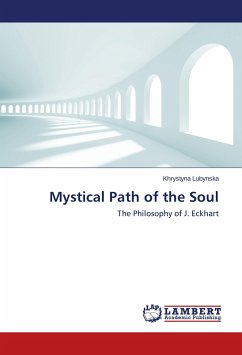
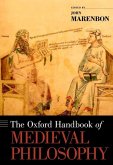
"Live without why!" advised Meister Eckhart (d. 1328). Arguing from classical philosophy and the Christian tradition, he opposed the views of Augustine and Aquinas. Connolly's book, the first to deal fully with the topic, discusses what Eckhart meant, how he justified it, and why it was condemned.
What does it mean to "live without why"? This was the advice of Meister Eckhart (ca. 1260-1328), both in his Latin treatises to philosophers and theologians and in his German sermons to nuns and ordinary lay persons. He seems to have meant that we should live and act out of justice or goodness and not in order to gain some reward for our deeds. This message was received with indignation by the Church hierarchy and was condemned by the Pope in 1329. How did Eckhart come to formulate it? And why was it so controversial?
What does it mean to "live without why"? This was the advice of Meister Eckhart (ca. 1260-1328), both in his Latin treatises to philosophers and theologians and in his German sermons to nuns and ordinary lay persons. He seems to have meant that we should live and act out of justice or goodness and not in order to gain some reward for our deeds. This message was received with indignation by the Church hierarchy and was condemned by the Pope in 1329. How did Eckhart come to formulate it? And why was it so controversial?