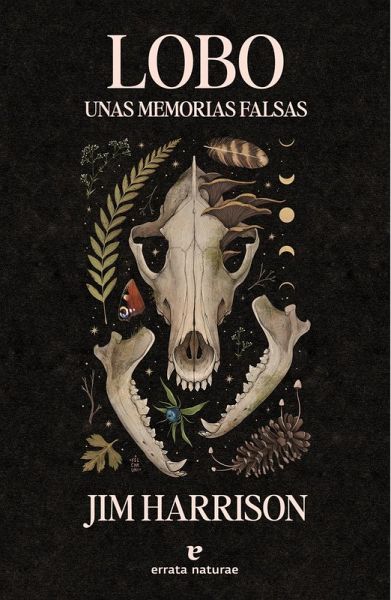
In 1970, Jim Harrison is the age when Christ died and carries the cross of alcoholism and depression. First he lost an eye and then his soul sister and his father, run over by a drunk driver. He is tired of earning his bread teaching literature to posh kids on the East Coast, so he reads Lorca and Rimbaud as if his life depended on each verse and goes fishing in remote places as if that would get him away from himself. Until one day he has an accident in the mountains: he falls off a cliff and shatters his spine. He will have to stay in bed for months and it is not clear if he will ever walk…mehr
In 1970, Jim Harrison is the age when Christ died and carries the cross of alcoholism and depression. First he lost an eye and then his soul sister and his father, run over by a drunk driver. He is tired of earning his bread teaching literature to posh kids on the East Coast, so he reads Lorca and Rimbaud as if his life depended on each verse and goes fishing in remote places as if that would get him away from himself. Until one day he has an accident in the mountains: he falls off a cliff and shatters his spine. He will have to stay in bed for months and it is not clear if he will ever walk again. It could be the end. Or the beginning. Harrison spent the next two months bedridden and writing day and night on his father's old Remington. The result was "Wolf," an overwhelming, furious and beautiful novel, at times brutal, and lucid in every line.
Jim Harrison (Míchigan, 1937 - Arizona, 2016) fue escritor, poeta, viajero, pescador, gran gourmet y buen bebedor. Se lo considera uno de los grandes narradores norteamericanos y ha sido comparado en innumerables ocasiones con Faulkner y Hemingway. Hijo de un ingeniero agrícola y un ama de casa, perdió casi por completo la visión del ojo izquierdo a los siete años, cuando una niña le atacó sin mediar palabra con una botella. Desde entonces fue la oveja negra de la familia, y mientras sus hermanos forjaban sus carreras como decanos de distintas universidades, él ya había dejado de estudiar a los dieciocho años y se había marchado a Nueva York tras la sombra de Rimbaud, quería ser poeta. En una entrevista reciente, Harrison declaró 'Cualquiera que estuviera un poco loco me gustaba. Yo era como un personaje de Roberto Bolaño, siempre persiguiendo las cosas más descabelladas'. Harrison leyó a Bolaño, pero antes leyó a Federico García Lorca, Jorge Guillén, Antonio Machado, César Vallejo... Eso sí, siempre como autodidacta, nunca fue a un taller de escritura y sin embargo dominó todos los géneros, siendo autor de una veintena de novelas, catorce poemarios, diversos ensayos y dos volúmenes de memorias, una extensa obra que ha sido traducida a más de treinta lenguas. Sus libros han conformado una constante exploración de la relación del ser humano con la naturaleza salvaje, y un viaje de ida y vuelta entre los laberintos de la mente y los placeres del cuerpo. Nadie como él ha descrito los grandes paisajes de Estados Unidos, el legado indio (del que él mismo es depositario) y la historia contemporánea de la América rural. Entre sus obras más importantes se encuentran la mundialmente famosa, por su adaptación al cine, Leyendas de otoño, así como Dalva, Sundog o Julip.
Es gelten unsere Allgemeinen Geschäftsbedingungen: www.buecher.de/agb
Impressum
www.buecher.de ist ein Internetauftritt der buecher.de internetstores GmbH
Geschäftsführung: Monica Sawhney | Roland Kölbl | Günter Hilger
Sitz der Gesellschaft: Batheyer Straße 115 - 117, 58099 Hagen
Postanschrift: Bürgermeister-Wegele-Str. 12, 86167 Augsburg
Amtsgericht Hagen HRB 13257
Steuernummer: 321/5800/1497
USt-IdNr: DE450055826