John Marshall
Locke Tolerat Early Enlighten Cult
John Marshall
Locke Tolerat Early Enlighten Cult
- Gebundenes Buch
- Merkliste
- Auf die Merkliste
- Bewerten Bewerten
- Teilen
- Produkt teilen
- Produkterinnerung
- Produkterinnerung
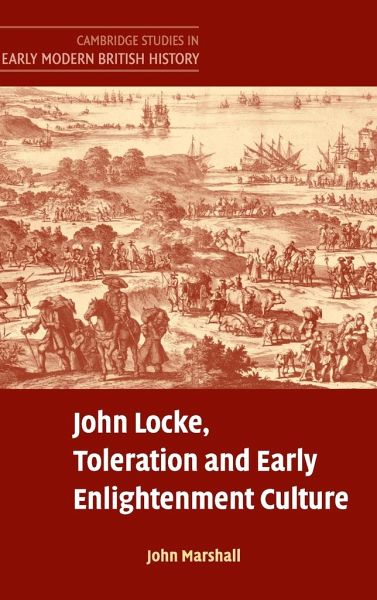
Major intellectual and cultural history of intolerance and toleration in early modern Enlightenment Europe.
Andere Kunden interessierten sich auch für
C. Beiser (ed.)The Early Political Writings of the German Romantics103,99 €
Conal Condren / Stephen Gaukroger / Ian Hunter (eds.)The Philosopher in Early Modern Europe110,99 €
Hannah DawsonLocke, Language and Early-Modern Philosophy124,99 €
John MarshallJohn Locke, Toleration and Early Enlightenment Culture63,99 €
Hannah DawsonLocke, Language and Early-Modern Philosophy57,99 €
Sophie ReadEucharist and the Poetic Imagination in Early Modern England103,99 €
Julian H. FranklinJohn Locke and the Theory of Sovereignty41,99 €-
-
-
Major intellectual and cultural history of intolerance and toleration in early modern Enlightenment Europe.
Produktdetails
- Produktdetails
- Verlag: Cambridge University Press
- Seitenzahl: 776
- Erscheinungstermin: 30. März 2006
- Englisch
- Abmessung: 235mm x 157mm x 50mm
- Gewicht: 1390g
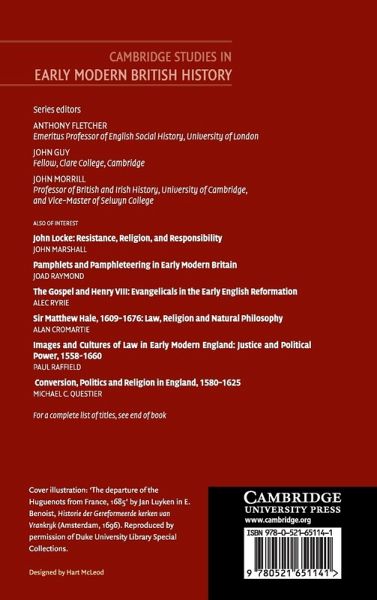
- ISBN-13: 9780521651141
- ISBN-10: 052165114X
- Artikelnr.: 21355290
- Herstellerkennzeichnung
- Libri GmbH
- Europaallee 1
- 36244 Bad Hersfeld
- gpsr@libri.de
- Verlag: Cambridge University Press
- Seitenzahl: 776
- Erscheinungstermin: 30. März 2006
- Englisch
- Abmessung: 235mm x 157mm x 50mm
- Gewicht: 1390g
- ISBN-13: 9780521651141
- ISBN-10: 052165114X
- Artikelnr.: 21355290
- Herstellerkennzeichnung
- Libri GmbH
- Europaallee 1
- 36244 Bad Hersfeld
- gpsr@libri.de
John K. Marshall spent several months working on the English version of my book. I owe him a debt of gratitude.
Part I. Catholic and Protestant Intolerance in the Later Seventeenth
Century: 1. Catholic intolerance, its representations in England c.1678-86,
and Locke's Second Treatise; 2. Catholic intolerance and the significance
of its representations in England, Ireland, and the Netherlands c.1687-92;
3. Protestant religious intolerance in England c.1660-c.1700; 4. Religious
toleration and intolerance in the Netherlands and in the Huguenot community
in exile; Part II. Justifications of Intolerance and the Emergence of
Arguments for Toleration: Section 1: Justifications of Intolerance to
c.1660: 5. Patristic and medieval sources of early modern intolerance:
anathematising heretics and schismatics as seditious, pestilential
poisoners, 'libertines' and 'sodomites'; 6. Heresy and schism, sedition and
treason, and 'contrarities' and 'inversions' in the 'Last Days'; 7.
Catholic and 'Magisterial Reformation' attacks on Anabaptism,
Anti-Trinitarianism, and Atheism; 8. Anathematising heretics in sixteenth
and early seventeenth century French religious polemic; 9. Antiheretical
and antischismatic literature in England from the late sixteenth to the
mid-seventeenth century; Section 2: The Emergence of Tolerationist
Arguments and their Condemnation: 10. Early tolerationist arguments and
their condemnation; 11. Arguments for and against religious toleration in
the Netherlands c.1579-c.1680; 12. Toleration and intolerance, Jews and
Muslims; Section 3: Catholic and Protestant Defences of Intolerance in the
Later Seventeenth Century: 13. Catholic justifications of intolerance in
the 1680s and 1690s; 14. Huguenot justifications of intolerance and debates
over resistance in the 1680s and 1690s; 15. Justifying intolerance in
England c.1660-c.1700; Part III. The 'Early Enlightenment' Defence of
Toleration and the 'Republic of Letters' in the 1680s and 1690s: 16.
Tolerationist associations in the 1680s and 1690s and virtuous service in
the cause of toleration in the 'early enlightenment republic of letters';
17. Political and economic arguments for religious toleration in the 1680s
and 1690s; 18. Toleration, 'heretics' and 'schismatics'; 19. Toleration and
Jews, Muslims, and 'Pagans'; 20. The historical argument for toleration and
'early Enlightenment' advocacy of 'humanity' and 'civility'; 21.
Epistemological, philological, theological, and ethical arguments for
religious toleration; 22. Toleration and the intolerant, Catholics,
'Atheists', 'Libertines' and 'sodomites'.

Century: 1. Catholic intolerance, its representations in England c.1678-86,
and Locke's Second Treatise; 2. Catholic intolerance and the significance
of its representations in England, Ireland, and the Netherlands c.1687-92;
3. Protestant religious intolerance in England c.1660-c.1700; 4. Religious
toleration and intolerance in the Netherlands and in the Huguenot community
in exile; Part II. Justifications of Intolerance and the Emergence of
Arguments for Toleration: Section 1: Justifications of Intolerance to
c.1660: 5. Patristic and medieval sources of early modern intolerance:
anathematising heretics and schismatics as seditious, pestilential
poisoners, 'libertines' and 'sodomites'; 6. Heresy and schism, sedition and
treason, and 'contrarities' and 'inversions' in the 'Last Days'; 7.
Catholic and 'Magisterial Reformation' attacks on Anabaptism,
Anti-Trinitarianism, and Atheism; 8. Anathematising heretics in sixteenth
and early seventeenth century French religious polemic; 9. Antiheretical
and antischismatic literature in England from the late sixteenth to the
mid-seventeenth century; Section 2: The Emergence of Tolerationist
Arguments and their Condemnation: 10. Early tolerationist arguments and
their condemnation; 11. Arguments for and against religious toleration in
the Netherlands c.1579-c.1680; 12. Toleration and intolerance, Jews and
Muslims; Section 3: Catholic and Protestant Defences of Intolerance in the
Later Seventeenth Century: 13. Catholic justifications of intolerance in
the 1680s and 1690s; 14. Huguenot justifications of intolerance and debates
over resistance in the 1680s and 1690s; 15. Justifying intolerance in
England c.1660-c.1700; Part III. The 'Early Enlightenment' Defence of
Toleration and the 'Republic of Letters' in the 1680s and 1690s: 16.
Tolerationist associations in the 1680s and 1690s and virtuous service in
the cause of toleration in the 'early enlightenment republic of letters';
17. Political and economic arguments for religious toleration in the 1680s
and 1690s; 18. Toleration, 'heretics' and 'schismatics'; 19. Toleration and
Jews, Muslims, and 'Pagans'; 20. The historical argument for toleration and
'early Enlightenment' advocacy of 'humanity' and 'civility'; 21.
Epistemological, philological, theological, and ethical arguments for
religious toleration; 22. Toleration and the intolerant, Catholics,
'Atheists', 'Libertines' and 'sodomites'.
Part I. Catholic and Protestant Intolerance in the Later Seventeenth
Century: 1. Catholic intolerance, its representations in England c.1678-86,
and Locke's Second Treatise; 2. Catholic intolerance and the significance
of its representations in England, Ireland, and the Netherlands c.1687-92;
3. Protestant religious intolerance in England c.1660-c.1700; 4. Religious
toleration and intolerance in the Netherlands and in the Huguenot community
in exile; Part II. Justifications of Intolerance and the Emergence of
Arguments for Toleration: Section 1: Justifications of Intolerance to
c.1660: 5. Patristic and medieval sources of early modern intolerance:
anathematising heretics and schismatics as seditious, pestilential
poisoners, 'libertines' and 'sodomites'; 6. Heresy and schism, sedition and
treason, and 'contrarities' and 'inversions' in the 'Last Days'; 7.
Catholic and 'Magisterial Reformation' attacks on Anabaptism,
Anti-Trinitarianism, and Atheism; 8. Anathematising heretics in sixteenth
and early seventeenth century French religious polemic; 9. Antiheretical
and antischismatic literature in England from the late sixteenth to the
mid-seventeenth century; Section 2: The Emergence of Tolerationist
Arguments and their Condemnation: 10. Early tolerationist arguments and
their condemnation; 11. Arguments for and against religious toleration in
the Netherlands c.1579-c.1680; 12. Toleration and intolerance, Jews and
Muslims; Section 3: Catholic and Protestant Defences of Intolerance in the
Later Seventeenth Century: 13. Catholic justifications of intolerance in
the 1680s and 1690s; 14. Huguenot justifications of intolerance and debates
over resistance in the 1680s and 1690s; 15. Justifying intolerance in
England c.1660-c.1700; Part III. The 'Early Enlightenment' Defence of
Toleration and the 'Republic of Letters' in the 1680s and 1690s: 16.
Tolerationist associations in the 1680s and 1690s and virtuous service in
the cause of toleration in the 'early enlightenment republic of letters';
17. Political and economic arguments for religious toleration in the 1680s
and 1690s; 18. Toleration, 'heretics' and 'schismatics'; 19. Toleration and
Jews, Muslims, and 'Pagans'; 20. The historical argument for toleration and
'early Enlightenment' advocacy of 'humanity' and 'civility'; 21.
Epistemological, philological, theological, and ethical arguments for
religious toleration; 22. Toleration and the intolerant, Catholics,
'Atheists', 'Libertines' and 'sodomites'.
Century: 1. Catholic intolerance, its representations in England c.1678-86,
and Locke's Second Treatise; 2. Catholic intolerance and the significance
of its representations in England, Ireland, and the Netherlands c.1687-92;
3. Protestant religious intolerance in England c.1660-c.1700; 4. Religious
toleration and intolerance in the Netherlands and in the Huguenot community
in exile; Part II. Justifications of Intolerance and the Emergence of
Arguments for Toleration: Section 1: Justifications of Intolerance to
c.1660: 5. Patristic and medieval sources of early modern intolerance:
anathematising heretics and schismatics as seditious, pestilential
poisoners, 'libertines' and 'sodomites'; 6. Heresy and schism, sedition and
treason, and 'contrarities' and 'inversions' in the 'Last Days'; 7.
Catholic and 'Magisterial Reformation' attacks on Anabaptism,
Anti-Trinitarianism, and Atheism; 8. Anathematising heretics in sixteenth
and early seventeenth century French religious polemic; 9. Antiheretical
and antischismatic literature in England from the late sixteenth to the
mid-seventeenth century; Section 2: The Emergence of Tolerationist
Arguments and their Condemnation: 10. Early tolerationist arguments and
their condemnation; 11. Arguments for and against religious toleration in
the Netherlands c.1579-c.1680; 12. Toleration and intolerance, Jews and
Muslims; Section 3: Catholic and Protestant Defences of Intolerance in the
Later Seventeenth Century: 13. Catholic justifications of intolerance in
the 1680s and 1690s; 14. Huguenot justifications of intolerance and debates
over resistance in the 1680s and 1690s; 15. Justifying intolerance in
England c.1660-c.1700; Part III. The 'Early Enlightenment' Defence of
Toleration and the 'Republic of Letters' in the 1680s and 1690s: 16.
Tolerationist associations in the 1680s and 1690s and virtuous service in
the cause of toleration in the 'early enlightenment republic of letters';
17. Political and economic arguments for religious toleration in the 1680s
and 1690s; 18. Toleration, 'heretics' and 'schismatics'; 19. Toleration and
Jews, Muslims, and 'Pagans'; 20. The historical argument for toleration and
'early Enlightenment' advocacy of 'humanity' and 'civility'; 21.
Epistemological, philological, theological, and ethical arguments for
religious toleration; 22. Toleration and the intolerant, Catholics,
'Atheists', 'Libertines' and 'sodomites'.