
Andere Kunden interessierten sich auch für
 The Poetry of Thought in Late Antiquity132,99 €
 Israel and its Heirs in Late Antiquity58,99 €
 Religious Polemics and Encounters in Late Antiquity183,99 €
 Strangers in the Land: Traveling Texts, Imagined Others, and Captured Souls in Jewish, Christian, and Muslim Traditions in Late Antique and Mediaeval Times139,99 €
 Sacred Orientation in Late Antiquity and Early Islam176,99 €
 When Perfection Isn't Perfect20,99 €
 Constructions of Gender in Religious Traditions of Late Antiquity120,99 €





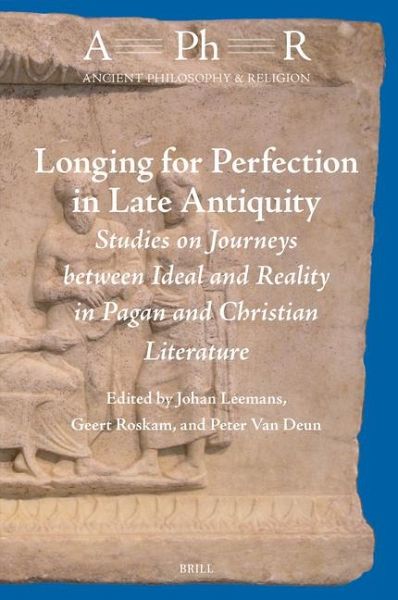
How on earth can humans be perfect? The striving for perfection has always occupied a central place in ancient Greek culture. This dynamics urged the Greeks on to surpass themselves in different fields, from sculpture and architecture over athletics to philosophy. In this volume, an international group of scholars examines how the ideal of perfection was conceived and pursued in Late Antiquity, both within philosophical circles and Christianity. Their studies yield a fascinating panorama of various attempts to bridge the unbridgeable and assimilate our frail, imperfect human nature as far as possible to divine perfection.