
Andere Kunden interessierten sich auch für
 The Hippolytus Of Euripides20,99 €
 Hippolytus and the Bacchae29,99 €
 Hippolytus34,99 €
 Hippolytus9,49 €
") The Hippolytus of Euripides (LARGE PRINT EDITION)36,99 €
The Hippolytus of Euripides (LARGE PRINT EDITION)36,99 € Electra and Other Plays13,99 €
 Hippolytus16,99 €






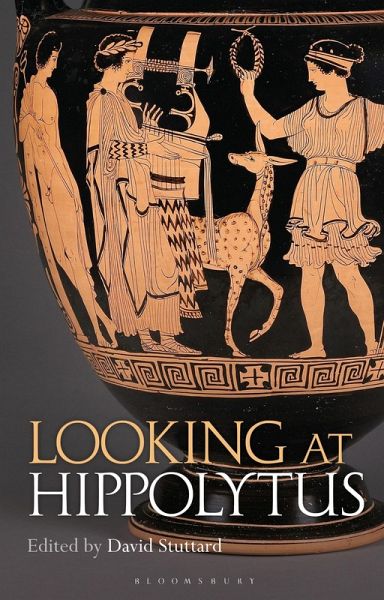
Written at a time of great social upheaval, Hippolytus is one of the most studied plays in Greek drama.This volume examines how Euripides responded to contemporary ideas and events, and how his audience may have reacted to his play. As well as considering the play's relationship with earlier lost tragedies and discussing many of its characters and central themes including its relationship with religion and evolving medical theories, this volume considers how Hippolytus may have been staged in fifth-century Athens and its reception from antiquity until today. This collection of ten essays is written by prominent international academics and offers insightful analyses of the play from the perspectives of performance, history and society. Intended for readers ranging from sixth-form students and undergraduates to teachers and those interested in drama (including practitioners), it includes an introduction alongside an accurate yet accessible translation.