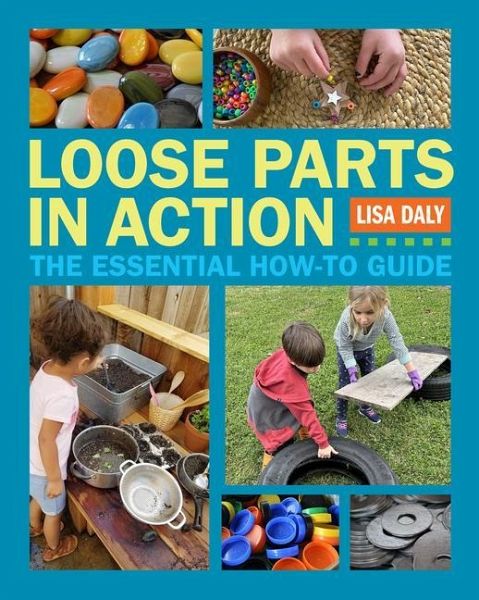
The essential how-to guide for loose parts. Take loose parts from inspiration to implementation with this practical, easy-to-use loose parts manual from Lisa Daly, coauthor of the best-selling and award-winning Loose Parts series. Loose Parts in Action provides specific instructions and a step-by-step process for infusing loose parts into early learning environments, to make implementing loose parts simple and approachable for educators in programs of all types. With Loose Parts in Action, anyone can bring the beauty and imagination-rich possibilities of loose parts to their program to spark…mehr
The essential how-to guide for loose parts. Take loose parts from inspiration to implementation with this practical, easy-to-use loose parts manual from Lisa Daly, coauthor of the best-selling and award-winning Loose Parts series. Loose Parts in Action provides specific instructions and a step-by-step process for infusing loose parts into early learning environments, to make implementing loose parts simple and approachable for educators in programs of all types. With Loose Parts in Action, anyone can bring the beauty and imagination-rich possibilities of loose parts to their program to spark children’s curiosity and learning. Learn how to: * Foster children's engagement and learning with loose parts * Make a plan to incorporate loose parts into your program * Collect loose parts, including involving families and community resources * Attractively display and store loose parts Includes interactive opportunities such as reflections, exercises, action plans, and assessment tools to help you adapt loose parts to your own setting.
Lisa Daly is professor emerita of early childhood education at Folsom Lake College, a child and family advocate, author, consultant, and presenter. Lisa has over 40 years of service as a classroom educator and administrator in preschool, parent co-operative, and college lab settings. Her professional work is centered around collaborating with educators to shift teaching approaches and transform learning environments to support children's identities, inquiry, and engagement. Lisa is the author of Transforming Your Outdoor Early Learning and coauthor of Early Learning Theories Made Visible and the award-winning Loose Parts series with Redleaf Press.
Inhaltsangabe
Acknowledgments Introduction: Why Loose Parts in Action? What’s the Purpose of Loose Parts in Action? How to Use Loose Parts in Action Chapter 1: Loose Parts Overview Why Are Loose Parts So Appealing? Types of Loose Parts Benefits of Loose Parts Chapter 2: Preparing the Way Understand the Allure of Loose Parts Transform Your Thinking Chapter 3: Getting Started Determine Which Loose Parts to Add Identify Resources Enlist Help and Involve Families Quantity of Loose Parts Collection Phase Long-Term Storage Helpful Storage Facts Mindful Retaining, Storing, and Discarding Safety and Cleanliness Chapter 4: Preparing the Environment Clear the Way Exchange Materials Select Containers Display Loose Parts Chapter 5: Introducing Loose Parts Anticipate the Excitement Factor Introduce One Loose Part at a Time Start with Bigger, Durable Loose Parts Observe Children’s Engagement Prepare Children Chapter 6: Facilitating Loose Parts Play Preparing the Environment Fostering Engagement Think Function Facilitating and Extending Learning Documenting Learning Chapter 7: Frequently Asked Questions How Do I Introduce Loose Parts? How Do I Store Loose Parts? What If Children Do Not Play with the Loose Parts? How Do I Encourage Cleanup? How Might I Stop Arguments over Loose Parts? What If Children Transport Loose Parts? How May I Prevent Disrespectful Use of Loose Parts? How Often Do I Need to Rotate Loose Parts? Are Loose Parts Put Away after Children Play or Left Out? How Do I Clean Loose Parts? Do Any Traditional Early Childhood Materials Remain in a Loose Parts Environment? How Do Loose Parts Environments Meet Environment Rating Scales Criteria? Appendix A: Family Letter Template Appendix B: Discovering Children’s Interests Appendix C: Loose Parts Indoor Inventory List Appendix D: Loose Parts Outdoor Inventory List Appendix E: Loose Parts Outdoor Tidying Up and Maintenance Schedule
Acknowledgments Introduction: Why Loose Parts in Action? What’s the Purpose of Loose Parts in Action? How to Use Loose Parts in Action Chapter 1: Loose Parts Overview Why Are Loose Parts So Appealing? Types of Loose Parts Benefits of Loose Parts Chapter 2: Preparing the Way Understand the Allure of Loose Parts Transform Your Thinking Chapter 3: Getting Started Determine Which Loose Parts to Add Identify Resources Enlist Help and Involve Families Quantity of Loose Parts Collection Phase Long-Term Storage Helpful Storage Facts Mindful Retaining, Storing, and Discarding Safety and Cleanliness Chapter 4: Preparing the Environment Clear the Way Exchange Materials Select Containers Display Loose Parts Chapter 5: Introducing Loose Parts Anticipate the Excitement Factor Introduce One Loose Part at a Time Start with Bigger, Durable Loose Parts Observe Children’s Engagement Prepare Children Chapter 6: Facilitating Loose Parts Play Preparing the Environment Fostering Engagement Think Function Facilitating and Extending Learning Documenting Learning Chapter 7: Frequently Asked Questions How Do I Introduce Loose Parts? How Do I Store Loose Parts? What If Children Do Not Play with the Loose Parts? How Do I Encourage Cleanup? How Might I Stop Arguments over Loose Parts? What If Children Transport Loose Parts? How May I Prevent Disrespectful Use of Loose Parts? How Often Do I Need to Rotate Loose Parts? Are Loose Parts Put Away after Children Play or Left Out? How Do I Clean Loose Parts? Do Any Traditional Early Childhood Materials Remain in a Loose Parts Environment? How Do Loose Parts Environments Meet Environment Rating Scales Criteria? Appendix A: Family Letter Template Appendix B: Discovering Children’s Interests Appendix C: Loose Parts Indoor Inventory List Appendix D: Loose Parts Outdoor Inventory List Appendix E: Loose Parts Outdoor Tidying Up and Maintenance Schedule
Es gelten unsere Allgemeinen Geschäftsbedingungen: www.buecher.de/agb
Impressum
www.buecher.de ist ein Internetauftritt der buecher.de internetstores GmbH
Geschäftsführung: Monica Sawhney | Roland Kölbl | Günter Hilger
Sitz der Gesellschaft: Batheyer Straße 115 - 117, 58099 Hagen
Postanschrift: Bürgermeister-Wegele-Str. 12, 86167 Augsburg
Amtsgericht Hagen HRB 13257
Steuernummer: 321/5800/1497
USt-IdNr: DE450055826