
Andere Kunden interessierten sich auch für
 Loughton, Essex14,99 €
 The Local Customs Accounts of the Port of Exeter 1266-132137,99 €
 Sir John Hawkwood19,99 €
") The Ancestor; A Quarterly Review Of County And Family History, Heraldry And Antiquities (Number Iii)33,99 €
The Ancestor; A Quarterly Review Of County And Family History, Heraldry And Antiquities (Number Iii)33,99 €") The Cartulary of Launceston Priory (Lambeth Palace Ms.719)37,99 €
The Cartulary of Launceston Priory (Lambeth Palace Ms.719)37,99 € Why Everything You Know about Robin Hood Is Wrong8,49 €
 The Accounts of the Fabric of Exeter Cathedral 1279-1353, Part II37,99 €


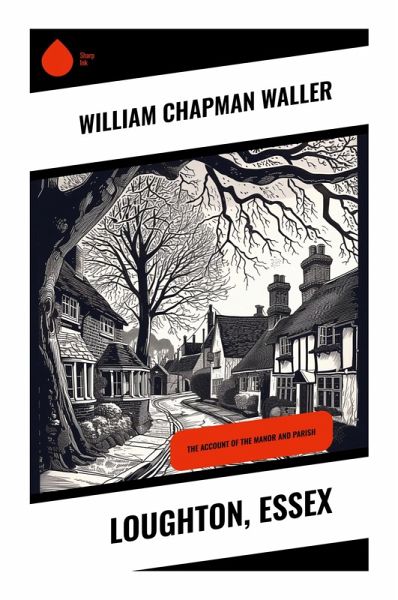
In "Loughton, Essex," William Chapman Waller intricately weaves a narrative that deftly explores the socio-cultural landscape of this quiet yet historically rich town. With a keen eye for detail, Waller employs a lyrical and evocative prose style, blending elements of local history, personal anecdotes, and vivid imagery to bring Loughton to life. Set against the backdrop of the late 19th century, the book offers insightful reflections on the transformation of English life, capturing the essence of a community at the cusp of modernity while maintaining its historical roots. William Chapman Waller, a notable chronicler of Essex, draws from his deep connection to the region, infused with a passion for local lore and topographical detail. His works are rooted in extensive research and his personal experiences growing up in the vicinity, lending authenticity and an intimate understanding that permeates his writing. As a devoted historian, Waller's dedication to preserving the stories of Loughton speaks to his belief in the importance of local narratives in the broader tapestry of English history. This book is highly recommended for readers interested in local history, patrons of Essex, and lovers of beautifully crafted prose. Waller's exploration of Loughton offers not only a glimpse into the town's past but also provokes thoughtful reflection on community, identity, and the passage of time, making it a compelling addition to any literary or historical library.