Vivian Wong
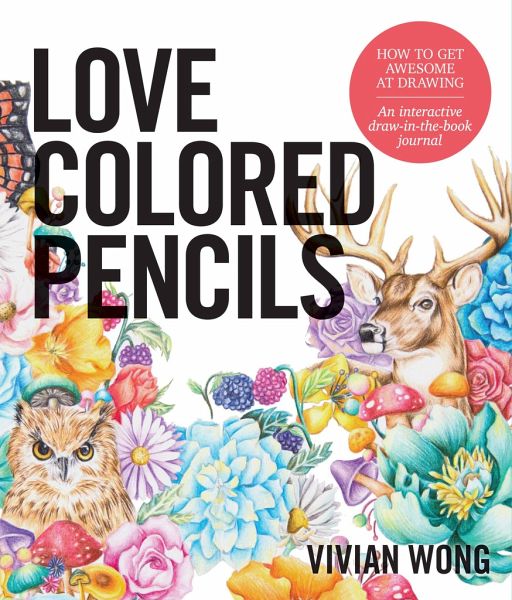
Love Colored Pencils
How to Get Awesome at Drawing: An Interactive Draw-In-The-Book Journal
Vivian Wong
Love Colored Pencils
How to Get Awesome at Drawing: An Interactive Draw-In-The-Book Journal
- Broschiertes Buch
- Merkliste
- Auf die Merkliste
- Bewerten Bewerten
- Teilen
- Produkt teilen
- Produkterinnerung
- Produkterinnerung
Love Colored Pencils will take your drawing to the next level! Vivian Wong teaches everything from blending, to hatching, and beyond.
Andere Kunden interessierten sich auch für
Jake SpicerYou Will Be Able to Draw Faces by the End of This Book17,99 €
Denise J. Howard101 Textures in Colored Pencil17,99 €
Eileen SorgPortfolio: Beginning Colored Pencil18,99 €
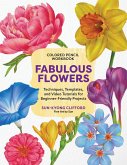
Sun-Kyong CliffordColored Pencil Workbook: Fabulous Flowers17,99 €
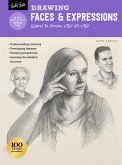
Diane CardaciDrawing: Faces & Expressions10,99 €
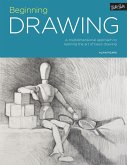
Alain PicardPortfolio: Beginning Drawing19,99 €
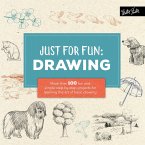
Lise HerzogJust for Fun: Drawing21,99 €-
-
-
Love Colored Pencils will take your drawing to the next level! Vivian Wong teaches everything from blending, to hatching, and beyond.
Produktdetails
- Produktdetails
- Verlag: Quarto Publishing Group USA Inc
- Seitenzahl: 128
- Erscheinungstermin: 6. Februar 2018
- Englisch
- Abmessung: 254mm x 217mm x 20mm
- Gewicht: 480g
- ISBN-13: 9781631593758
- ISBN-10: 1631593757
- Artikelnr.: 49021744
- Herstellerkennzeichnung
- Libri GmbH
- Europaallee 1
- 36244 Bad Hersfeld
- gpsr@libri.de
- Verlag: Quarto Publishing Group USA Inc
- Seitenzahl: 128
- Erscheinungstermin: 6. Februar 2018
- Englisch
- Abmessung: 254mm x 217mm x 20mm
- Gewicht: 480g
- ISBN-13: 9781631593758
- ISBN-10: 1631593757
- Artikelnr.: 49021744
- Herstellerkennzeichnung
- Libri GmbH
- Europaallee 1
- 36244 Bad Hersfeld
- gpsr@libri.de
Vivian Wong is a Hong Kong–based artist who is currently studying architecture at the University of Edinburgh. She has been drawing and taking art lessons from the age of five. She has a passion for art and design and loves to create stunning and colorful artwork. She specializes in illustration and graphic design. See more of Vivian's art on Instagram (@vivianhitsugaya), Facebook (@vivianwongart), and YouTube (@vivianhitsugaya).
C H A P T E R O N E / B A S I C T E C H N I Q U E S
STROKES/COLORING IN
• Holding your pencil (it might seem obvious but how you hold your pencil
can influence the effect you are trying
to achieve)
• Pressure. Controlling lightness/darkness of color
• Back and forth strokes (most commonly used technique)
• Stippling
• Hatching
• Crosshatching
• Scribbling
• Blending colors. Using white colored pencil or blending with a stump or
cotton tip
• Filling in
KNOWING THE COLOR SPECTRUM
Why it is important to understand the color spectrum and how it will help
you when you color in different subjects.
• The artist's color wheel. Primary and secondary colors
• Complementary colors and how to use them in your work
• My favorite color palette. Vivian's "go-to colors"
• Color mixes. Color pencils come in a myriad colors, but knowing how to
mix your pencils expands your potential
palette and what you can create with it. Examples of which colors to mix to
create a specific color (i.e. blue + dark
brown = dark blue), and techniques for mixing colors (overlaying, hatching,
or "dots")
WHAT IS TONING?
• What is tone? Tone describes the lightness or darkness of a basic color
• Tonal gradient. How to create different tones from one color. How to
create different colorful gradients
WHAT IS SHADING?
Using basic 3D shapes to illustrate.
• Tint and shade. What are they? Know the difference
• Identifying the light source and shadow. First, decide where the light
source and shadow are, then base the rest of
the drawing on that
• Coloring techniques to illustrate light source and shadow. Back and forth
strokes. Layering/hatching.
Highlights: Leaving areas uncolored to show the light source
C H A P T E R T W O / H O W T O CO LO R
The following subjects are demonstrated in step-by-step sequences, followed
by a page or two for the reader to
practice coloring in the artwork provided.
• Faces (skin)
• Eyes
• Noses
• Lips
• Ears
• Hair
• Flowers
• Leaves
• Glass
• Aluminum cans
• Clothes
• Animal fur and feathers
• Spherical objects
• Lettering (making it look 3D)
• Colorful doodles and patterns
REVIEW YOUR OWN WORK
STROKES/COLORING IN
• Holding your pencil (it might seem obvious but how you hold your pencil
can influence the effect you are trying
to achieve)
• Pressure. Controlling lightness/darkness of color
• Back and forth strokes (most commonly used technique)
• Stippling
• Hatching
• Crosshatching
• Scribbling
• Blending colors. Using white colored pencil or blending with a stump or
cotton tip
• Filling in
KNOWING THE COLOR SPECTRUM
Why it is important to understand the color spectrum and how it will help
you when you color in different subjects.
• The artist's color wheel. Primary and secondary colors
• Complementary colors and how to use them in your work
• My favorite color palette. Vivian's "go-to colors"
• Color mixes. Color pencils come in a myriad colors, but knowing how to
mix your pencils expands your potential
palette and what you can create with it. Examples of which colors to mix to
create a specific color (i.e. blue + dark
brown = dark blue), and techniques for mixing colors (overlaying, hatching,
or "dots")
WHAT IS TONING?
• What is tone? Tone describes the lightness or darkness of a basic color
• Tonal gradient. How to create different tones from one color. How to
create different colorful gradients
WHAT IS SHADING?
Using basic 3D shapes to illustrate.
• Tint and shade. What are they? Know the difference
• Identifying the light source and shadow. First, decide where the light
source and shadow are, then base the rest of
the drawing on that
• Coloring techniques to illustrate light source and shadow. Back and forth
strokes. Layering/hatching.
Highlights: Leaving areas uncolored to show the light source
C H A P T E R T W O / H O W T O CO LO R
The following subjects are demonstrated in step-by-step sequences, followed
by a page or two for the reader to
practice coloring in the artwork provided.
• Faces (skin)
• Eyes
• Noses
• Lips
• Ears
• Hair
• Flowers
• Leaves
• Glass
• Aluminum cans
• Clothes
• Animal fur and feathers
• Spherical objects
• Lettering (making it look 3D)
• Colorful doodles and patterns
REVIEW YOUR OWN WORK
C H A P T E R O N E / B A S I C T E C H N I Q U E S
STROKES/COLORING IN
• Holding your pencil (it might seem obvious but how you hold your pencil
can influence the effect you are trying
to achieve)
• Pressure. Controlling lightness/darkness of color
• Back and forth strokes (most commonly used technique)
• Stippling
• Hatching
• Crosshatching
• Scribbling
• Blending colors. Using white colored pencil or blending with a stump or
cotton tip
• Filling in
KNOWING THE COLOR SPECTRUM
Why it is important to understand the color spectrum and how it will help
you when you color in different subjects.
• The artist's color wheel. Primary and secondary colors
• Complementary colors and how to use them in your work
• My favorite color palette. Vivian's "go-to colors"
• Color mixes. Color pencils come in a myriad colors, but knowing how to
mix your pencils expands your potential
palette and what you can create with it. Examples of which colors to mix to
create a specific color (i.e. blue + dark
brown = dark blue), and techniques for mixing colors (overlaying, hatching,
or "dots")
WHAT IS TONING?
• What is tone? Tone describes the lightness or darkness of a basic color
• Tonal gradient. How to create different tones from one color. How to
create different colorful gradients
WHAT IS SHADING?
Using basic 3D shapes to illustrate.
• Tint and shade. What are they? Know the difference
• Identifying the light source and shadow. First, decide where the light
source and shadow are, then base the rest of
the drawing on that
• Coloring techniques to illustrate light source and shadow. Back and forth
strokes. Layering/hatching.
Highlights: Leaving areas uncolored to show the light source
C H A P T E R T W O / H O W T O CO LO R
The following subjects are demonstrated in step-by-step sequences, followed
by a page or two for the reader to
practice coloring in the artwork provided.
• Faces (skin)
• Eyes
• Noses
• Lips
• Ears
• Hair
• Flowers
• Leaves
• Glass
• Aluminum cans
• Clothes
• Animal fur and feathers
• Spherical objects
• Lettering (making it look 3D)
• Colorful doodles and patterns
REVIEW YOUR OWN WORK
STROKES/COLORING IN
• Holding your pencil (it might seem obvious but how you hold your pencil
can influence the effect you are trying
to achieve)
• Pressure. Controlling lightness/darkness of color
• Back and forth strokes (most commonly used technique)
• Stippling
• Hatching
• Crosshatching
• Scribbling
• Blending colors. Using white colored pencil or blending with a stump or
cotton tip
• Filling in
KNOWING THE COLOR SPECTRUM
Why it is important to understand the color spectrum and how it will help
you when you color in different subjects.
• The artist's color wheel. Primary and secondary colors
• Complementary colors and how to use them in your work
• My favorite color palette. Vivian's "go-to colors"
• Color mixes. Color pencils come in a myriad colors, but knowing how to
mix your pencils expands your potential
palette and what you can create with it. Examples of which colors to mix to
create a specific color (i.e. blue + dark
brown = dark blue), and techniques for mixing colors (overlaying, hatching,
or "dots")
WHAT IS TONING?
• What is tone? Tone describes the lightness or darkness of a basic color
• Tonal gradient. How to create different tones from one color. How to
create different colorful gradients
WHAT IS SHADING?
Using basic 3D shapes to illustrate.
• Tint and shade. What are they? Know the difference
• Identifying the light source and shadow. First, decide where the light
source and shadow are, then base the rest of
the drawing on that
• Coloring techniques to illustrate light source and shadow. Back and forth
strokes. Layering/hatching.
Highlights: Leaving areas uncolored to show the light source
C H A P T E R T W O / H O W T O CO LO R
The following subjects are demonstrated in step-by-step sequences, followed
by a page or two for the reader to
practice coloring in the artwork provided.
• Faces (skin)
• Eyes
• Noses
• Lips
• Ears
• Hair
• Flowers
• Leaves
• Glass
• Aluminum cans
• Clothes
• Animal fur and feathers
• Spherical objects
• Lettering (making it look 3D)
• Colorful doodles and patterns
REVIEW YOUR OWN WORK