
Andere Kunden interessierten sich auch für
 Lydia Griffiths19,99 €
 Fearless18,00 €
 Lydia und Berenike16,80 €
 Luis Antonio Tagle14,99 €
 Joseph Bernardin16,99 €
 Elizabeth Johnson16,99 €
 Helen Prejean16,99 €







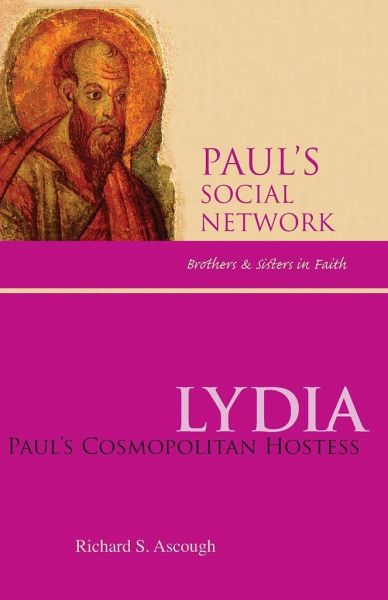
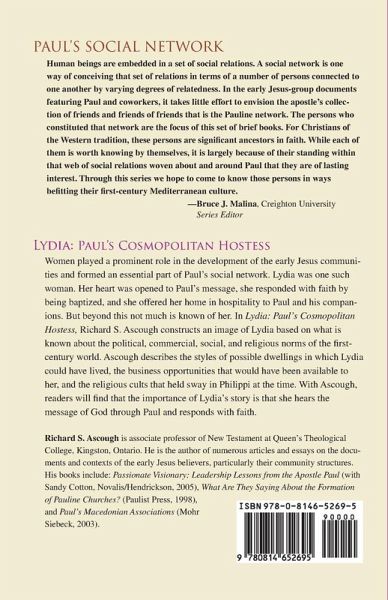
Women played a prominent role in the development of the early Jesus communities and formed an essential part of Paul's social network. Lydia was one such woman. Her heart was opened to Paul's message, she responded with faith by being baptized, and she offered her home in hospitality to Paul and his companions. But beyond this not much is known of her. In Lydia: Paul's Cosmopolitan Hostess, Richard S. Ascough constructs an image of Lydia based on what is known about the political, commercial, social, and religious norms of the first-century world. Ascough describes the styles of possible dwellings in which Lydia could have lived, the business opportunities that would have been available to her, and the religious cults that held sway in Philippi at the time. With Ascough, readers will find that the importance of Lydia's story is that she hears the message of God through Paul and responds with faith.