
Andere Kunden interessierten sich auch für
 Mechanical Vibrations53,99 €
 Mechanical Vibrations76,99 €
 Mechanical Vibrations76,99 €
 Manufacturing Technologies136,99 €
 Advances in Intelligent Manufacturing166,99 €
 Industry 4.0 and Advanced Manufacturing189,99 €
 Industry 4.0 and Advanced Manufacturing189,99 €




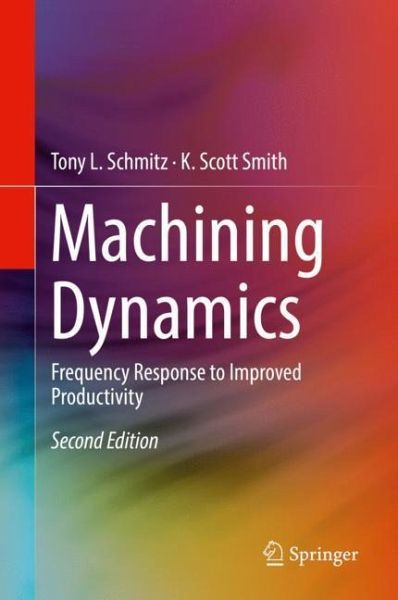
This book trains engineers and students in the practical application of machining dynamics, with a particular focus on milling. The book walks readers through the steps required to improve machining productivity through chatter avoidance and reduced surface location error, and covers in detail topics such as modal analysis (including experimental methods) to obtain the tool point frequency response function, descriptions of turning and milling, force modeling, time domain simulation, stability lobe diagram algorithms, surface location error calculation for milling, beam theory, and more.
This new edition includes updates throughout the entire text, new exercises and examples, and a new chapter on machining tribology. It is a valuable resource for practicing manufacturing engineers and graduate students interested in learning how to improve machining productivity through consideration of the process dynamics.
This new edition includes updates throughout the entire text, new exercises and examples, and a new chapter on machining tribology. It is a valuable resource for practicing manufacturing engineers and graduate students interested in learning how to improve machining productivity through consideration of the process dynamics.