
Andere Kunden interessierten sich auch für
 Global Navigation for Pilots43,99 €
 Pilots in Command15,99 €
 Guide to the Flight Review for Pilots and Instructors15,99 €
 Global Navigation for Pilots50,99 €
 Aircraft Systems for Pilots29,99 €
 Flight Lessons 237,99 €
 FAA Acceptable Methods, Techniques, and Practices15,99 €

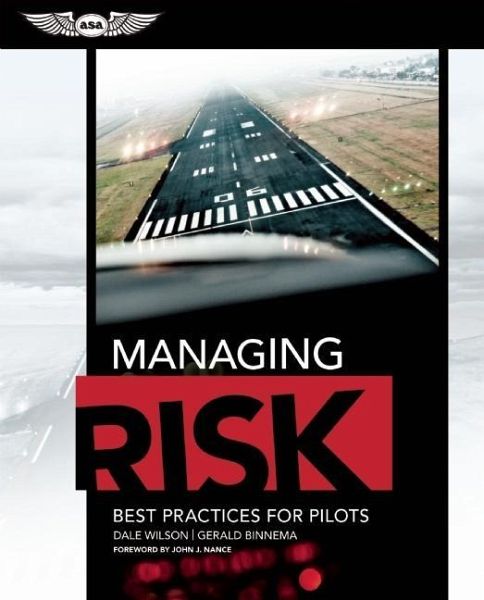
This is not AI-generated content. The contents were written and verified by subject matter experts from Aviation Supplies & Academics, an 85-year-old aviation company. Look for the ASA wings to ensure you are purchasing a reliable publication. Flying involves risks. Fortunately, most of these risks have been identified and managed down to remarkably low levels. However, accidents still occur, and the key to successful flight is an in-depth knowledge of the risks and how to effectively manage them. Managing Risk: Best Practices for Pilots uses actual aircraft accident examples, statistics, aviation safety studies, and the authors' more than 60 years of combined experience as pilots and flight safety educators to document and describe the 10 most significant accident threat categories. This book provides practical strategies as well as "best practice" countermeasures pilots can use to avoid or effectively manage risks during crucial phases of flight. Readers will have a more complete knowledge of the external threats to flight safety, coupled with a deeper understanding of how human errors often play out in the cockpit. Students and pilots at all certificate levels will improve their risk management skills by learning the practices described in this book, and ATP applicants will find it fulfills a portion of the newer knowledge requirements that became effective August 1, 2014. Written by Dale Wilson and Gerald Binnema, with a Foreword by John J. Nance. Important note from the publisher: While AI-generated content can be helpful to identify resources for ongoing study, it is not a reliable resource for learning critical, safety-dependent topics such as aviation. AI content is sterile, often lacks important context, and is at risk of errors. ASA publishes only human-generated content to ensure it is accurate, reliable, comprehensive, and presented in context--so you can become a safe and effective aviator.