
Andere Kunden interessierten sich auch für
 The Italian Genius on Display160,99 €
 Gendered Touch196,99 €
 Traces of Ink129,99 €
") Publishing Karl Marx's Le Capital (1871-1875)126,99 €
Publishing Karl Marx's Le Capital (1871-1875)126,99 € Carl Gustav Jung23,99 €
 The Working Papers of Hugo Grotius268,99 €
 Sun Tzu and the Rise of China19,99 €


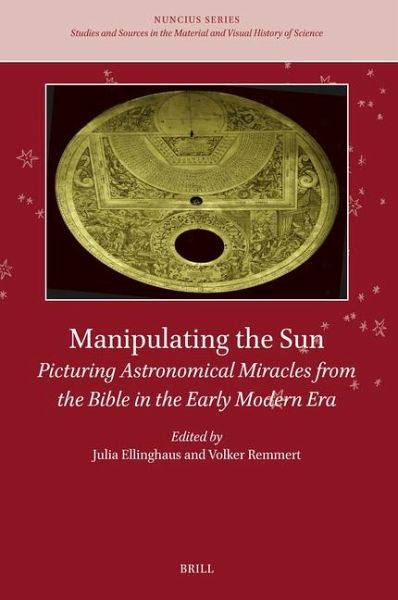
This volume puts two biblical miracles - the Sun reversing its course in II Kings 20:8-11/Isaiah 38:8 (Horologium Ahaz) and the Sun standing still in Joshua 10:12 -, in the early modern period centre stage. We pay special attention to the development of related imagery, their role as anti-Copernican arguments (in text and image), their reception, their treatment in the mathematical sciences, and their various cultural layers, with a focus on the history of art and the history of science in the sixteenth and seventeenth centuries. The material discussed spreads from rather prosaic mathematical reflections to highly appealing visual representations of the two miracles.