
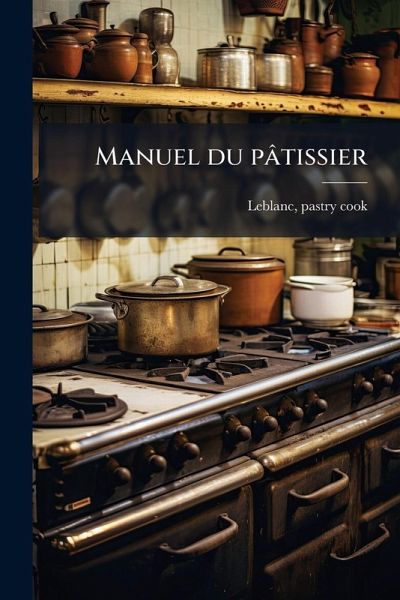
Manuel du pâtissier is a comprehensive 19th-century guide to the art of pastry making, intended for home cooks, shop owners, and hotel chefs alike. This detailed treatise, originally published in 1834, offers a simplified approach to creating a wide range of pastries and desserts. Authored by Leblanc, a pastry cook of the era, the book provides invaluable insights into the techniques and ingredients used in traditional French pastry. From classic cakes and tarts to elaborate confections, "Manuel du pâtissier" presents a wealth of recipes and instructions for aspiring and experienced bakers. Discover the secrets behind authentic French pastries and elevate your baking skills with this timeless culinary resource. A must-have for anyone interested in the history of baking and the rich tradition of French desserts. This work has been selected by scholars as being culturally important, and is part of the knowledge base of civilization as we know it. This work was reproduced from the original artifact, and remains as true to the original work as possible. Therefore, you will see the original copyright references, library stamps (as most of these works have been housed in our most important libraries around the world), and other notations in the work. This work is in the public domain in the United States of America, and possibly other nations. Within the United States, you may freely copy and distribute this work, as no entity (individual or corporate) has a copyright on the body of the work. As a reproduction of a historical artifact, this work may contain missing or blurred pages, poor pictures, errant marks, etc. Scholars believe, and we concur, that this work is important enough to be preserved, reproduced, and made generally available to the public. We appreciate your support of the preservation process, and thank you for being an important part of keeping this knowledge alive and relevant.