
Andere Kunden interessierten sich auch für
 Saucy Jack 2nd Edition13,99 €
 The Bridge18,99 €
") Desires of a Vampire (2nd Edition)16,99 €
Desires of a Vampire (2nd Edition)16,99 €") A Vampire's Blood (2nd Edition)14,99 €
A Vampire's Blood (2nd Edition)14,99 € The Bridge of San Luis Rey15,99 €
 A View from the Bridge12,99 €
 Alternatives14,99 €




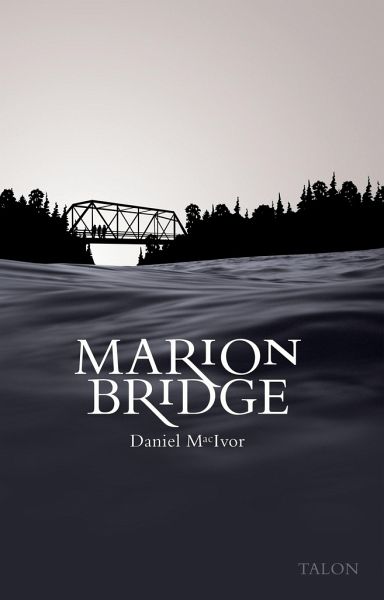
This fascinating version of Daniel MacIvor's most successful play to date lets the reader in on a secret: it was never primarily written as a work for live theatrical performance, but as a vehicle for his development of a screenplay, also included in this new edition. In his surprisingly revealing introduction, MacIvor talks about the genesis of both the play and the movie; the lessons he learned about the differences between the two media; and their radically different stylistic, technical and practical demands on both their authors and their audiences. A well-known practitioner of Canada's theatre of the avant-garde, MacIvor had for years wanted to write a brilliant screenplay, but there was a problem: he didn't know how. Most of his stark improvisational work for the live stage, centreed around minimalist sets and props, dramatic effects of light and sound, and usually his own improvisational solo performances, did not translate well into the medium of film. So in order to realize his ambition he decided to create Marion Bridge, a piece of "conventional theatre," as a vehicle or transitionary playscript he thought he could use as a stylistic "bridge" from the live stage to the cinema. In the fact that Marion Bridge has become his most successful play to date lies one of the most important lessons MacIvor learned about the vast differences between the two media-between live performance that always relies on the audience to participate with the actor(s) in the active and collective creation of landscape and time within the space they share, and the cinematic experience wherein the creators and actors are absent, and the audience is estranged from the action by its passive consumption of a narrative of space and time always understood to take place in someone else's world outside of the theatre.