
Andere Kunden interessierten sich auch für
 Wally Worm and the Wool Scarves18,99 €
 The Fork, the Witch, and the Worm8,49 €
 The Shoestring Worm20,99 €
 The Shoestring Worm16,99 €
 Nina Soni, Master of the Garden12,99 €
 The Garden Keeper21,99 €
 My Dream Farm24,99 €
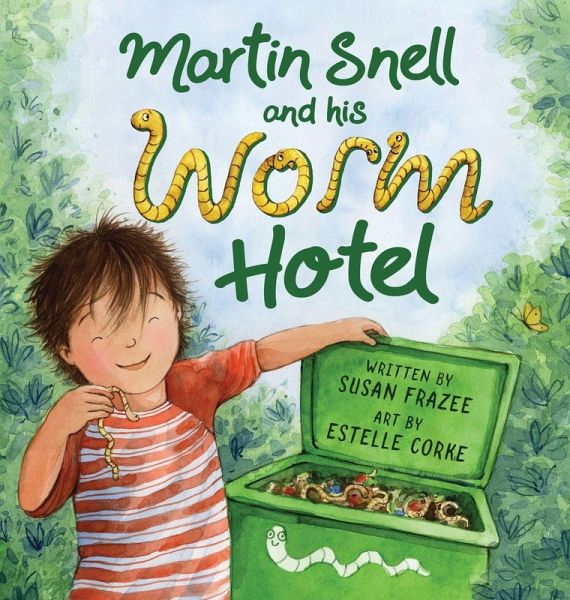
Are you ready for the Worm-o-lution? Martin discovers that worms are nature's final clean up crew and can transform food scraps once destined for the trash and landfill into natural fertilizer that will feed his garden plants instead. To reduce food waste and help his garden grow, Martin builds a worm hotel. Racing around the kitchen, he scrapes plates and collects crumbs to provide a buffet feast for his squirmy guests. Martin gathers everything from cardboard pieces and paper hats to slimy peas and pineapple tops, giving readers lots of examples of what worms like to eat. In a little while, the worms in Martin's hotel create compost that, when added to the garden, helps the vegetables, fruits, and flowers flourish. Fast-paced and fun, and enhanced with beautiful illustrations, this hilarious rhyming story provides a child-friendly introduction to composting, maintaining a worm hotel, what to feed worms, and eco-friendly habits. Read at home or as a supplement to Earth science and gardening curriculums in schools, Martin celebrates interactive learning and how even the smallest family members can make a big difference to help the Earth. Backmatter explains how to maintain a worm hotel and explores the benefits of composting, highlighting how worm compost enriches the soil with essential nutrients for plants, conserves water, and reduces greenhouse gas emissions.