
Andere Kunden interessierten sich auch für
 The Last Confessions of Sylvia P.21,99 €
 Collected Stories26,99 €
 Johnny Panic and the Bible of Dreams8,99 €
 Summer Light, and Then Comes the Night15,99 €
 Collected Stories17,99 €
 The Garden Party17,99 €
 The Happy Failure9,49 €
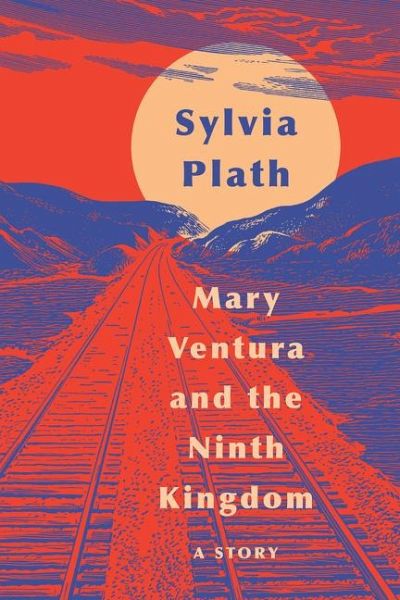
A newly discovered, never-before-seen story by Sylvia Plath. Written while Sylvia Plath was a student at Smith College in 1952, Mary Ventura and the Ninth Kingdom tells the story of a young woman’s fateful train journey. Lips the color of blood, the sun an unprecedented orange, train wheels that sound like “guilt, and guilt, and guilt” are just some of the things Mary Ventura begins to notice on her journey to the ninth kingdom. “But what is the ninth kingdom?” she asks a kind-seeming lady in her carriage. “It is the kingdom of the frozen will,” comes the reply. “There is no going back.” Sylvia Plath’s strange, dark tale of female agency and independence, written not long after she herself left home, grapples with mortality in motion.