
Andere Kunden interessierten sich auch für
 The Parthenon and Liberal Education92,99 €
 The Architecture of the Science of Living Beings98,99 €
 The Cosmological Doctors of Classical Greece98,99 €
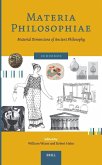
 Materia Philosophiae. Material Dimensions of Ancient Philosophy140,99 €
 AQUINAS'S ONTOLOGY MATERIAL WORLD C115,99 €
 Un piccolo esempio. La psicagogia matematica di Platone105,99 €
 Politik22,90 €
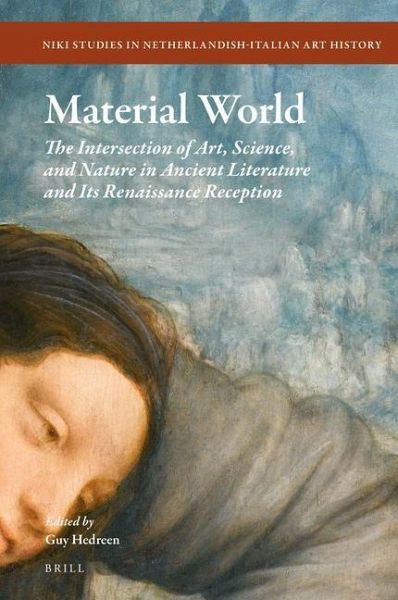
The interplay between nature, science, and art in antiquity and the early modern period differs significantly from late modern expectations. In this book scholars from ancient studies as well as early modern studies, art history, literary criticism, philosophy, and the history of science, explore that interplay in several influential ancient texts and their reception in the Renaissance. The Natural History of Pliny, De Architectura of Vitruvius, De Rerum Natura of Lucretius, Automata of Hero, and Timaios of Plato among other texts reveal how fields of inquiry now considered distinct were originally understood as closely interrelated. In our choice of texts, we focus on materialistic theories of nature, knowledge, and art that remain underappreciated in ancient and early modern studies even today.