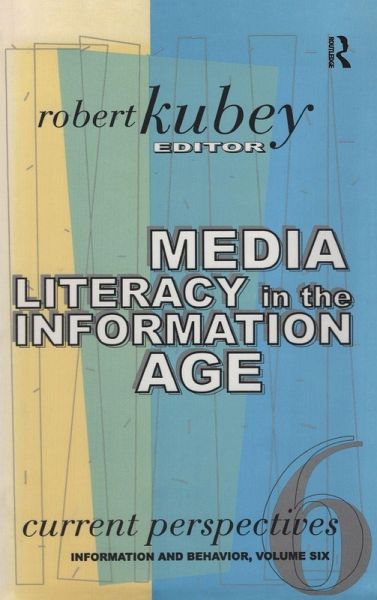
A survey of media and information literacy. It examines the state of theoretical, conceptual and research development, and considers where media education is going and where it ought to go. It contains 22 contributions, two-thirds of them from outside the United States.
A survey of media and information literacy. It examines the state of theoretical, conceptual and research development, and considers where media education is going and where it ought to go. It contains 22 contributions, two-thirds of them from outside the United States.
Media Education: Portraits of an Evolving Field 1: Where We've Been and Where We're Going 1: A Rationale for Media Education 2: An Agenda for the Second Phase of Media Literacy Development 3: Media Literacy: From a Report of the National Leadership Conference on Media Literacy 2: Theoretical and Conceptual Perspectives 4: The Theoretical Foundations of Media Education Programs 5: Visual "Literacy" in Cross-Cultural Perspective 6: Expanding the Concept of Literacy 3: International Perspectives 7: Media and Arts Education: A Global View from Australia 8: Textual Pleasures and Moral Dilemmas: Teaching Media Literacy in England 9: A Much Debated Consensus: Media Literacy in Israel * 10: Media Education for a Critical Citizenry in South Africa 4: Curricular and Research Perspectives 11: Media Literacy: A Compelling Component of School Reform and Restructuring 12: Making Media Literate: Educating Future Media Workers at the Undergraduate Level 13: Multimedia Education: Media Literacy in the Age of Digital Culture 14: Living with the Tiger: Media Curriculum Issues for the Future 15: Media Literacy in the Home: Acquisition versus Deficit Models 16: In Favor of "Bad News": An Experiment in Teaching the Role of the Press in Israel 1 5: Perspectives on Computer, Information, and "Museum" Literacy 17: Can Computers Tum Teaching Inside-Out, Transform Education, and Redefine Literacy? 18: Interactive Technology in the Classroom: A Case Study with Illiterate Adults 19: Network Literacy in an Electronic Society: An Educational Disconnect? 20: Literacy in the Information Age School: Skills for Lifelong Learning 21: "The Tools Tell the Story": Toward an Analysis of the "Museum Experience"
Media Education: Portraits of an Evolving Field 1: Where We've Been and Where We're Going 1: A Rationale for Media Education 2: An Agenda for the Second Phase of Media Literacy Development 3: Media Literacy: From a Report of the National Leadership Conference on Media Literacy 2: Theoretical and Conceptual Perspectives 4: The Theoretical Foundations of Media Education Programs 5: Visual "Literacy" in Cross-Cultural Perspective 6: Expanding the Concept of Literacy 3: International Perspectives 7: Media and Arts Education: A Global View from Australia 8: Textual Pleasures and Moral Dilemmas: Teaching Media Literacy in England 9: A Much Debated Consensus: Media Literacy in Israel * 10: Media Education for a Critical Citizenry in South Africa 4: Curricular and Research Perspectives 11: Media Literacy: A Compelling Component of School Reform and Restructuring 12: Making Media Literate: Educating Future Media Workers at the Undergraduate Level 13: Multimedia Education: Media Literacy in the Age of Digital Culture 14: Living with the Tiger: Media Curriculum Issues for the Future 15: Media Literacy in the Home: Acquisition versus Deficit Models 16: In Favor of "Bad News": An Experiment in Teaching the Role of the Press in Israel 1 5: Perspectives on Computer, Information, and "Museum" Literacy 17: Can Computers Tum Teaching Inside-Out, Transform Education, and Redefine Literacy? 18: Interactive Technology in the Classroom: A Case Study with Illiterate Adults 19: Network Literacy in an Electronic Society: An Educational Disconnect? 20: Literacy in the Information Age School: Skills for Lifelong Learning 21: "The Tools Tell the Story": Toward an Analysis of the "Museum Experience"
Es gelten unsere Allgemeinen Geschäftsbedingungen: www.buecher.de/agb
Impressum
www.buecher.de ist ein Internetauftritt der buecher.de internetstores GmbH
Geschäftsführung: Monica Sawhney | Roland Kölbl | Günter Hilger
Sitz der Gesellschaft: Batheyer Straße 115 - 117, 58099 Hagen
Postanschrift: Bürgermeister-Wegele-Str. 12, 86167 Augsburg
Amtsgericht Hagen HRB 13257
Steuernummer: 321/5800/1497
USt-IdNr: DE450055826