
Andere Kunden interessierten sich auch für
 Media Racism37,99 €
 How does mass media portrayal of black men influence white and black perceptions and stereotypes?9,99 €
 Hate speech and abusive behaviour on social media34,99 €
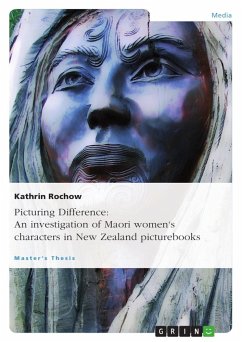
 Picturing Difference: An investigation of Maori women's characters in New Zealand picturebooks47,95 €
 Applying the Actor-Network Theory in Media Studies158,99 €
 The Impact of Broadcast Media on the 2020 Edo Gubernatorial Elections. A Critical Survey27,95 €
 The Evolution of Media Communication84,99 €
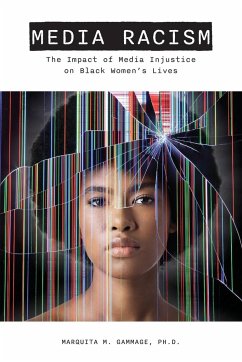
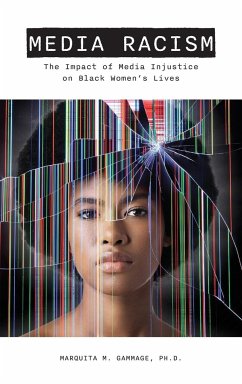
An illuminating examination of how media distorts, diminishes, and misrepresents Black women. Media Racism: The Impact of Media Injustice on Black Women's Lives, by Marquita Gammage, Ph.D., reveals the subtle and overt ways racism in media shapes public perception, policy, and lived experience for Black women. The book provides a: Field-shaping critique of media practices and representation. Focused analysis on gender, race, and cultural impact. Rich examples drawn from television, film, and digital platforms. Influential contribution that expands and deepens media studies. Kirkus Reviews call it, "A powerful, well-researched indictment of racist media in the United States." An essential study, Media Racism confronts the biases of media industries and affirms the centrality of Black women's voices. https://www.kirkusreviews.com/book-reviews/marquita-m-gammage/media-racism