
Andere Kunden interessierten sich auch für
 Diasporic Encounters in German Social Drama: A Spatial Approach to Representations of the Turkish Diaspora in German Television Films71,88 €
 Head Game24,95 €
 Soziale Netzwerke der ghanaischen Diaspora in Hamburg68,00 €
 Diaspora-Webseiten. Identitätsstiftendes Sprachrohr oder nationalismusfördernder Leerlauf?17,95 €
 The Midwestern Press in the Crucible of the American Civil War84,95 €
 Culture 2.042,95 €
 Culture 2.0111,95 €





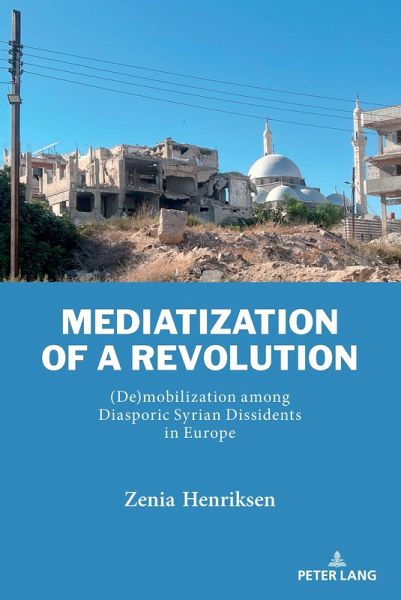
During the 2011 uprisings across the SWANA region, the development of new media technologies and the work of diaspora activists played pivotal roles in amplifying demands for political change. In Syria, where the revolution ultimately led to the recent fall of the al-Assad regime, members of the diaspora have been deeply involved in sustaining calls for freedom and justice. Yet even as media became essential tools for mobilization and visibility, the wider processes of mediatization introduced new challenges, and little is known about how Syrians abroad navigated this complex and rapidly shifting media landscape. This book investigates the media practices of Syrian diaspora communities and examines how they engage with both the possibilities and limitations of contemporary media technologies. Drawing on interviews with Syrians in Denmark, Sweden, and Germany, combined with digital ethnography, it explores the intersections between media practices, diasporic political activism, evolving narratives of the revolution, and the multifaceted ties to Syria shaped by violence, nostalgia, and hopes for a better future. By foregrounding bottom-up processes of mediatization, the study highlights the challenges facing Syrian diaspora activists, including the hardships of displacement, transnational repression, information overload, and internal fragmentation within the opposition movements. It offers a nuanced analysis of emerging cultures of information and political engagement, as well as the ambiguous feelings of belonging and the shifting notions of "home" among Syrians living in diaspora.