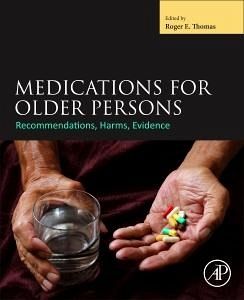
Medications for Older Persons: Recommendations, Harms, Evidence provides a comprehensive resource detailing the benefits of medications for older individuals. It also addresses the potential harms associated with the prescription of potentially inappropriate medications or omissions in prescribing and examines how many adverse events, rehospitalizations, and deaths can be attributed to these medications. The book opens with a summary of medications that most benefit older patients, followed by the impact of older persons’ alcohol consumption, self-medication, and medication list accuracy and…mehr
Medications for Older Persons: Recommendations, Harms, Evidence provides a comprehensive resource detailing the benefits of medications for older individuals. It also addresses the potential harms associated with the prescription of potentially inappropriate medications or omissions in prescribing and examines how many adverse events, rehospitalizations, and deaths can be attributed to these medications. The book opens with a summary of medications that most benefit older patients, followed by the impact of older persons’ alcohol consumption, self-medication, and medication list accuracy and how these factors correlate to health outcomes. The remainder of the book is devoted to the assessment of medication groups focusing on Numbers Needed to Treat, Numbers Needed to Harm, and characteristics and numbers of adverse events. Medication groups covered include cardiovascular, central nervous system, renal, gastrointestinal, musculoskeletal, respiratory, endocrine, pain, and fall prevention.
Section 1. Recommendations for medications of older persons 1. A summary of medications that most benefit older patients: for clinicians, patients, their families, policy makers and health ministries 2. STOPP and American Geriatrics Society "potentially inappropriate medications" (PIMs) and START "potential prescribing omissions" (PPOs) 3. The Calgary study of 295,706 admissions of older persons to four acute care hospitals 2013-2021 4. Adverse drug interactions in the Veterans Affairs Adverse Drug Event Reporting System 5. Pharmacokinetics and pharmacodynamics in older persons 6. Methods to identify adverse drug interactions and effects 7. How personalized medicine has changed senior patient outcomes at the Mayo Clinic and other centers Section 2. Older persons alcohol consumption, self-medication, and medication list accuracy 8. Older persons alcohol consumption 9. Self-medication and over the counter medications by older persons 10. The accuracy of recording medication lists, transferring lists between community practitioners and medical institutions, and the potential effects on the accuracy of assessing PIMs, PPOs and adverse medication events Section 3. Cardiovascular medications 11. Medications for hypertension 12. Medications for heart failure 13. Medications for arrhythmias 14. Medications for diuresis 15. Medications for coagulation Section 4. Central Nervous System medications 16. Medications for depression 17. Medications for anxiety 18. Medications for insomnia 19. Neuroleptic/antipsychotic medications 20. Avoiding medications with risks of delirium 21. Avoiding medications that augment dementia Section 5. Renal medication 22. Prescribing to reduce risks of renal insufficiency and failure Section 6. Gastrointestinal medications 23. Prescribing to reduce the risks of peptic ulcer disease, gastritis, and esophagitis and treat if present 24. Prescribing to reduce the risks of constipation or diarrhea Section 7. Musculoskeletal medications 25. Medications for arthritis 26. Medications for osteoporosis Section 8. Respiratory medications 27. Medications for COPD Section 9. Endocrine medications 28. Medications for diabetes Section 10. Pain medications 29. Non-opioid analgesics and opioids for seniors Section 11. Changing prescribing to prevent falls 30. Prescribing to prevent falls
Section 1. Recommendations for medications of older persons 1. A summary of medications that most benefit older patients: for clinicians, patients, their families, policy makers and health ministries 2. STOPP and American Geriatrics Society "potentially inappropriate medications" (PIMs) and START "potential prescribing omissions" (PPOs) 3. The Calgary study of 295,706 admissions of older persons to four acute care hospitals 2013-2021 4. Adverse drug interactions in the Veterans Affairs Adverse Drug Event Reporting System 5. Pharmacokinetics and pharmacodynamics in older persons 6. Methods to identify adverse drug interactions and effects 7. How personalized medicine has changed senior patient outcomes at the Mayo Clinic and other centers Section 2. Older persons alcohol consumption, self-medication, and medication list accuracy 8. Older persons alcohol consumption 9. Self-medication and over the counter medications by older persons 10. The accuracy of recording medication lists, transferring lists between community practitioners and medical institutions, and the potential effects on the accuracy of assessing PIMs, PPOs and adverse medication events Section 3. Cardiovascular medications 11. Medications for hypertension 12. Medications for heart failure 13. Medications for arrhythmias 14. Medications for diuresis 15. Medications for coagulation Section 4. Central Nervous System medications 16. Medications for depression 17. Medications for anxiety 18. Medications for insomnia 19. Neuroleptic/antipsychotic medications 20. Avoiding medications with risks of delirium 21. Avoiding medications that augment dementia Section 5. Renal medication 22. Prescribing to reduce risks of renal insufficiency and failure Section 6. Gastrointestinal medications 23. Prescribing to reduce the risks of peptic ulcer disease, gastritis, and esophagitis and treat if present 24. Prescribing to reduce the risks of constipation or diarrhea Section 7. Musculoskeletal medications 25. Medications for arthritis 26. Medications for osteoporosis Section 8. Respiratory medications 27. Medications for COPD Section 9. Endocrine medications 28. Medications for diabetes Section 10. Pain medications 29. Non-opioid analgesics and opioids for seniors Section 11. Changing prescribing to prevent falls 30. Prescribing to prevent falls
Es gelten unsere Allgemeinen Geschäftsbedingungen: www.buecher.de/agb
Impressum
www.buecher.de ist ein Internetauftritt der buecher.de internetstores GmbH
Geschäftsführung: Monica Sawhney | Roland Kölbl | Günter Hilger
Sitz der Gesellschaft: Batheyer Straße 115 - 117, 58099 Hagen
Postanschrift: Bürgermeister-Wegele-Str. 12, 86167 Augsburg
Amtsgericht Hagen HRB 13257
Steuernummer: 321/5800/1497
USt-IdNr: DE450055826