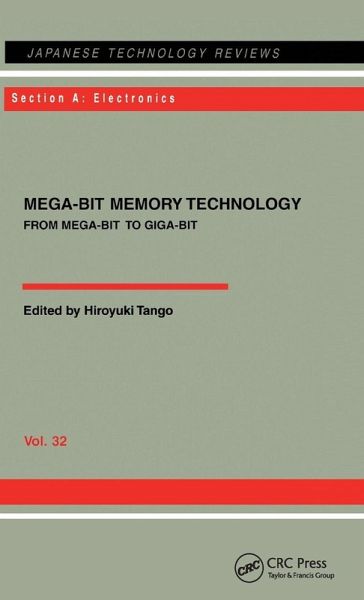
Mega-Bit Memory Technology - From Mega-Bit to Giga-Bit
From Mega-Bit to Giga-Bit
Herausgeber: Tango, Hiroyuki
Mega-Bit Memory Technology - From Mega-Bit to Giga-Bit
From Mega-Bit to Giga-Bit
Herausgeber: Tango, Hiroyuki
- Gebundenes Buch
- Merkliste
- Auf die Merkliste
- Bewerten Bewerten
- Teilen
- Produkt teilen
- Produkterinnerung
- Produkterinnerung
This book describes LSI process technology, and focuses on the rapid progress of state-of-the-art dynamic random access memory (DRAM) process technologies—the longstanding technology driver of Si ULSI—as they advance from the 1 Kbit to the Gbit DRAM era.
Andere Kunden interessierten sich auch für
Carolyn Hall / Kent Rosalind / James G. Williams (eds.)Encyclopedia of Computer Science and Technology260,99 €
Guide to SRv6 Network Deployment162,99 €
Jack BelzerEncyclopedia of Computer Science and Technology107,99 €
Challenges in Information, Communication and Computing Technology265,99 €
Michael Matthew MessinaAn Introduction to GameGuru150,99 €
R. R. BrooksDisruptive Security Technologies with Mobile Code and Peer-to-Peer Networks178,99 €
Jack BelzerEncyclopedia of Computer Science and Technology107,99 €-
-
-
This book describes LSI process technology, and focuses on the rapid progress of state-of-the-art dynamic random access memory (DRAM) process technologies—the longstanding technology driver of Si ULSI—as they advance from the 1 Kbit to the Gbit DRAM era.
Produktdetails
- Produktdetails
- Verlag: CRC Press
- Seitenzahl: 312
- Erscheinungstermin: 2. Oktober 2019
- Englisch
- Abmessung: 222mm x 145mm x 20mm
- Gewicht: 526g
- ISBN-13: 9781138413955
- ISBN-10: 113841395X
- Artikelnr.: 58054970
- Herstellerkennzeichnung
- Libri GmbH
- Europaallee 1
- 36244 Bad Hersfeld
- gpsr@libri.de
- Verlag: CRC Press
- Seitenzahl: 312
- Erscheinungstermin: 2. Oktober 2019
- Englisch
- Abmessung: 222mm x 145mm x 20mm
- Gewicht: 526g
- ISBN-13: 9781138413955
- ISBN-10: 113841395X
- Artikelnr.: 58054970
- Herstellerkennzeichnung
- Libri GmbH
- Europaallee 1
- 36244 Bad Hersfeld
- gpsr@libri.de
Hiroyuki Tango
Preface to the Series
Preface
Contributors
1. MOS Device Technology/Hiroyuki Tango
1.1. Introduction
1.2. MOS device technology
1.3. Scaling law for lower sub
micron MOS devices
1.4. Toward Gbit and beyond
1.5. Si quantum devices
2. Memory Cell Technology/Hiroyuki Tango
2.1. Memory cell technology trend
2.2. Trench capacitor cells
2.3. Stacked capacitor cell
2.4. High e and ferroelectric films for the gigabit generation
3. Lithography/Masataka Miyamura
3.1. Introduction
3.2. Photolithography
3.3. Resist and resist process
3.4. EB lithography
3.5. X
ray lithography
4. Dry Etching/Makoto Sekine
4.1. Introduction
4.2. Basic etching hardware and process technologies
4.3. Emerging etching process technologies
5. Thin Film Insulator/Kikuo Yamabe
5.7. Introduction
5.2. Oxide breakdown defect
5.3. Trench corner oxidation
5.4. Fatigue breakdown
5.5. Polysilicon oxide
5.6. Trapping center
5.7. Stress induced leakage current
5.8. Summary
6. Impurity Doping/Kikuo Yamabe
6.1. Introduction
6.2. Impurity doping
6.3. Macroscopic diffusion mechanism
6.4. Microscopic diffusion mechanism
6.5. Point defect control technology
6.6. Summary
7. Metallization/Kyoichi Suguro
7.1. Gate electrodes
7.2. Source and drain contacts
7.3. Interconnects
7.4. Summary
8. Chemical Vapor Deposition (CVD)/Nobuo Hayasaka 196
8.1. Introduction
8.2. CVD of poly crystalline silicon
8.3. CVD of metals
8.4. CVD of insulators
9. Crystal Technology/Yoshiaki Matsusita
9.1. Introduction
9.2. Silicon crystal growth technology
9.3. Crystalline defect control
9.4. Epitaxial wafer
9.5. SOI technology
9.6. Hereafter subject of crystal technology
10. Process and Device Simulation/Tetsunori Wada
10.1. Introduction
10.2. Process simulation
10.3. Device simulation
10.4. Conclusion
11. SOI Technology/Makoto Yoshimi
11.1. History of SOI technology
11.2. Thin
film SOI structure
11.3. SOI substrate technology
11.4. Application to ULSI circuits
11.5. Summary
Index.
Preface
Contributors
1. MOS Device Technology/Hiroyuki Tango
1.1. Introduction
1.2. MOS device technology
1.3. Scaling law for lower sub
micron MOS devices
1.4. Toward Gbit and beyond
1.5. Si quantum devices
2. Memory Cell Technology/Hiroyuki Tango
2.1. Memory cell technology trend
2.2. Trench capacitor cells
2.3. Stacked capacitor cell
2.4. High e and ferroelectric films for the gigabit generation
3. Lithography/Masataka Miyamura
3.1. Introduction
3.2. Photolithography
3.3. Resist and resist process
3.4. EB lithography
3.5. X
ray lithography
4. Dry Etching/Makoto Sekine
4.1. Introduction
4.2. Basic etching hardware and process technologies
4.3. Emerging etching process technologies
5. Thin Film Insulator/Kikuo Yamabe
5.7. Introduction
5.2. Oxide breakdown defect
5.3. Trench corner oxidation
5.4. Fatigue breakdown
5.5. Polysilicon oxide
5.6. Trapping center
5.7. Stress induced leakage current
5.8. Summary
6. Impurity Doping/Kikuo Yamabe
6.1. Introduction
6.2. Impurity doping
6.3. Macroscopic diffusion mechanism
6.4. Microscopic diffusion mechanism
6.5. Point defect control technology
6.6. Summary
7. Metallization/Kyoichi Suguro
7.1. Gate electrodes
7.2. Source and drain contacts
7.3. Interconnects
7.4. Summary
8. Chemical Vapor Deposition (CVD)/Nobuo Hayasaka 196
8.1. Introduction
8.2. CVD of poly crystalline silicon
8.3. CVD of metals
8.4. CVD of insulators
9. Crystal Technology/Yoshiaki Matsusita
9.1. Introduction
9.2. Silicon crystal growth technology
9.3. Crystalline defect control
9.4. Epitaxial wafer
9.5. SOI technology
9.6. Hereafter subject of crystal technology
10. Process and Device Simulation/Tetsunori Wada
10.1. Introduction
10.2. Process simulation
10.3. Device simulation
10.4. Conclusion
11. SOI Technology/Makoto Yoshimi
11.1. History of SOI technology
11.2. Thin
film SOI structure
11.3. SOI substrate technology
11.4. Application to ULSI circuits
11.5. Summary
Index.
Preface to the Series
Preface
Contributors
1. MOS Device Technology/Hiroyuki Tango
1.1. Introduction
1.2. MOS device technology
1.3. Scaling law for lower sub
micron MOS devices
1.4. Toward Gbit and beyond
1.5. Si quantum devices
2. Memory Cell Technology/Hiroyuki Tango
2.1. Memory cell technology trend
2.2. Trench capacitor cells
2.3. Stacked capacitor cell
2.4. High e and ferroelectric films for the gigabit generation
3. Lithography/Masataka Miyamura
3.1. Introduction
3.2. Photolithography
3.3. Resist and resist process
3.4. EB lithography
3.5. X
ray lithography
4. Dry Etching/Makoto Sekine
4.1. Introduction
4.2. Basic etching hardware and process technologies
4.3. Emerging etching process technologies
5. Thin Film Insulator/Kikuo Yamabe
5.7. Introduction
5.2. Oxide breakdown defect
5.3. Trench corner oxidation
5.4. Fatigue breakdown
5.5. Polysilicon oxide
5.6. Trapping center
5.7. Stress induced leakage current
5.8. Summary
6. Impurity Doping/Kikuo Yamabe
6.1. Introduction
6.2. Impurity doping
6.3. Macroscopic diffusion mechanism
6.4. Microscopic diffusion mechanism
6.5. Point defect control technology
6.6. Summary
7. Metallization/Kyoichi Suguro
7.1. Gate electrodes
7.2. Source and drain contacts
7.3. Interconnects
7.4. Summary
8. Chemical Vapor Deposition (CVD)/Nobuo Hayasaka 196
8.1. Introduction
8.2. CVD of poly crystalline silicon
8.3. CVD of metals
8.4. CVD of insulators
9. Crystal Technology/Yoshiaki Matsusita
9.1. Introduction
9.2. Silicon crystal growth technology
9.3. Crystalline defect control
9.4. Epitaxial wafer
9.5. SOI technology
9.6. Hereafter subject of crystal technology
10. Process and Device Simulation/Tetsunori Wada
10.1. Introduction
10.2. Process simulation
10.3. Device simulation
10.4. Conclusion
11. SOI Technology/Makoto Yoshimi
11.1. History of SOI technology
11.2. Thin
film SOI structure
11.3. SOI substrate technology
11.4. Application to ULSI circuits
11.5. Summary
Index.
Preface
Contributors
1. MOS Device Technology/Hiroyuki Tango
1.1. Introduction
1.2. MOS device technology
1.3. Scaling law for lower sub
micron MOS devices
1.4. Toward Gbit and beyond
1.5. Si quantum devices
2. Memory Cell Technology/Hiroyuki Tango
2.1. Memory cell technology trend
2.2. Trench capacitor cells
2.3. Stacked capacitor cell
2.4. High e and ferroelectric films for the gigabit generation
3. Lithography/Masataka Miyamura
3.1. Introduction
3.2. Photolithography
3.3. Resist and resist process
3.4. EB lithography
3.5. X
ray lithography
4. Dry Etching/Makoto Sekine
4.1. Introduction
4.2. Basic etching hardware and process technologies
4.3. Emerging etching process technologies
5. Thin Film Insulator/Kikuo Yamabe
5.7. Introduction
5.2. Oxide breakdown defect
5.3. Trench corner oxidation
5.4. Fatigue breakdown
5.5. Polysilicon oxide
5.6. Trapping center
5.7. Stress induced leakage current
5.8. Summary
6. Impurity Doping/Kikuo Yamabe
6.1. Introduction
6.2. Impurity doping
6.3. Macroscopic diffusion mechanism
6.4. Microscopic diffusion mechanism
6.5. Point defect control technology
6.6. Summary
7. Metallization/Kyoichi Suguro
7.1. Gate electrodes
7.2. Source and drain contacts
7.3. Interconnects
7.4. Summary
8. Chemical Vapor Deposition (CVD)/Nobuo Hayasaka 196
8.1. Introduction
8.2. CVD of poly crystalline silicon
8.3. CVD of metals
8.4. CVD of insulators
9. Crystal Technology/Yoshiaki Matsusita
9.1. Introduction
9.2. Silicon crystal growth technology
9.3. Crystalline defect control
9.4. Epitaxial wafer
9.5. SOI technology
9.6. Hereafter subject of crystal technology
10. Process and Device Simulation/Tetsunori Wada
10.1. Introduction
10.2. Process simulation
10.3. Device simulation
10.4. Conclusion
11. SOI Technology/Makoto Yoshimi
11.1. History of SOI technology
11.2. Thin
film SOI structure
11.3. SOI substrate technology
11.4. Application to ULSI circuits
11.5. Summary
Index.