
Andere Kunden interessierten sich auch für
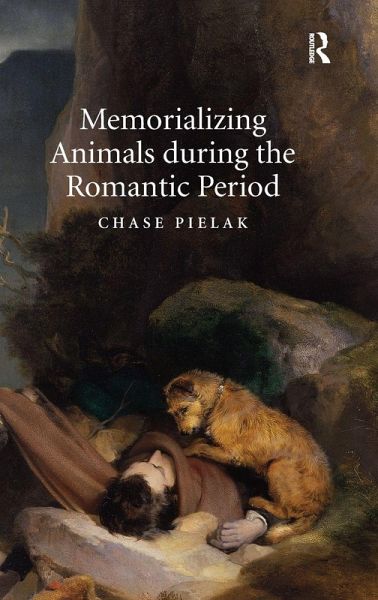
 Memorializing Animals during the Romantic Period41,99 €
 The Reading Nation in the Romantic Period64,99 €
 British Women Writers of the Romantic Period49,99 €
 The Cambridge Companion to Fiction in the Romantic Period39,99 €
 The Cambridge Companion to Women's Writing in the Romantic Period105,99 €
 The Cambridge Companion to Fiction in the Romantic Period111,99 €
 The Routledge Handbook of Shakespeare and Animals268,99 €
In his study of the presence of animals in early nineteenth-century works by Charles and Mary Lamb, John Clare, William Wordsworth, Samuel Taylor Coleridge, and Lord Byron, Chase Pielak observes that images of dead and deadly animals coincided with questions about what constitutes human life and its boundaries. He argues that each author uses language that ultimately betrays itself to expose beastly disruptions that not only startle the authors themselves but serve as landmarks within Romantic literature.
'[Pielak] provides us with a single sentence that effectively sums up his study: 'Inasmuch as Lamb created a space of animal friendship, Clare invited animals to share in communion and to mourn alongside humans, Coleridge sought the deadly beast to stave off corpse contagion, Byron could not maintain human life in light of animal bodies, and Wordsworth, haunted by animal voices, made a home for himself against the surfaces of animal bodies, so must we' (pp. 153-4). This directive is one we now need to appreciate and work to follow.' Review of English Studies