
Andere Kunden interessierten sich auch für
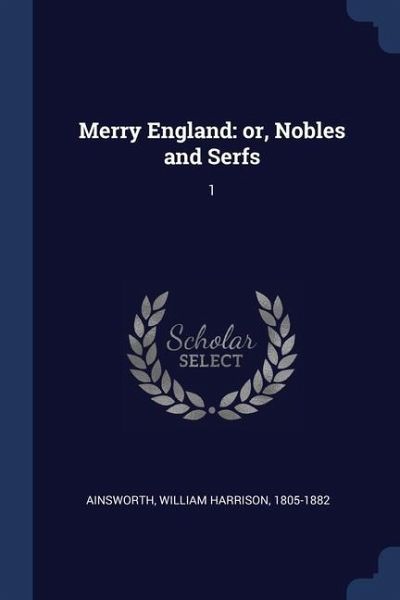
 Merry England18,99 €
 The Merry Order of St. Bridget19,99 €
 Comedy of the merry wives of Windsor18,99 €
 All about The merry tales of Gotham19,99 €
 The Balloon Travels Of Robert Merry And His Young Friends16,99 €
 Merry Laughter and Angry Curses34,99 €
 The Angler's Complete Guide to the Rivers and Lakes of England18,99 €






This work has been selected by scholars as being culturally important, and is part of the knowledge base of civilization as we know it. This work was reproduced from the original artifact, and remains as true to the original work as possible. Therefore, you will see the original copyright references, library stamps (as most of these works have been housed in our most important libraries around the world), and other notations in the work. This work is in the public domain in the United States of America, and possibly other nations. Within the United States, you may freely copy and distribute this work, as no entity (individual or corporate) has a copyright on the body of the work. As a reproduction of a historical artifact, this work may contain missing or blurred pages, poor pictures, errant marks, etc. Scholars believe, and we concur, that this work is important enough to be preserved, reproduced, and made generally available to the public. We appreciate your support of the preservation process, and thank you for being an important part of keeping this knowledge alive and relevant.