
Andere Kunden interessierten sich auch für
 My Teacher Has Tattoos15,99 €
") Efrén Dividido (Efrén Divided)27,99 €
Efrén Dividido (Efrén Divided)27,99 € There's Something About Mommy / Mami tiene algo especial19,99 €
") Algo Le Pasó a Mi Papá (Something Happened to My Dad)13,99 €
Algo Le Pasó a Mi Papá (Something Happened to My Dad)13,99 €") ¡Podría Ser Maestro! (I Could Bee a Teacher!)18,99 €
¡Podría Ser Maestro! (I Could Bee a Teacher!)18,99 €") Campos de Internamiento de Estadounidenses de Origen Japonés (Japanese American Internment Camps)30,99 €
Campos de Internamiento de Estadounidenses de Origen Japonés (Japanese American Internment Camps)30,99 € Amari und das Spiel der Magier / Amari Bd.216,00 €

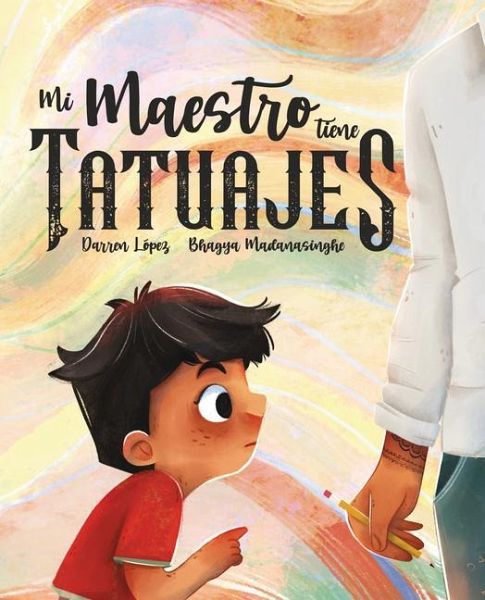
En el barrio de Javier, los tatuajes identifican a miembros de una pandilla. Cuando Javier ve los tatuajes del maestro, aprende que no todo es como parece y descubre el significado cultural de los tatuajes. Esta historia está basada en lo que sucedió cuando Darren López cursaba el primer año como maestro en Washington DC sin conocer la cultura centroamericana. Es un buen punto de partida para hablar con los niños sobre formas de autoexpresión, como los tatuajes, y cómo pueden mostrar positivamente una cultura o el recorrido personal de alguien en vez de tener una conexión con algo peligroso. In Javier's neighborhood, tattoos represent gang membership. After Javier catches an unexpected glimpse of his new teacher's tattoos, he learns that there's more than meets the eye when it comes to the cultural significance of tattoos. Based on real events that took place during author Darren Lopez's first year teaching in Washington DC, My Teacher Has Tattoos is an impactful conversation starter that brings to life the pitfalls of stereotyping in the classroom and beyond. This Spanish-language translation brings an important story of overcoming bias to a new audience.