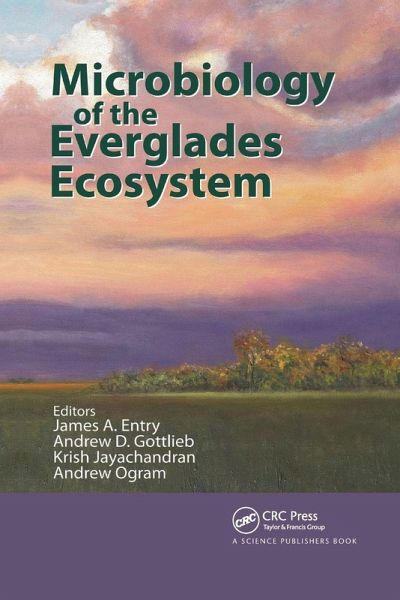
The first synthesis of current research regarding Everglades microbial community structure and function, this book provides an understanding of the physical and chemical factors affecting the structure of microbial communities, including nutrient effects, sea level rise, and other potential stressors. The book integrates traditional research on
The first synthesis of current research regarding Everglades microbial community structure and function, this book provides an understanding of the physical and chemical factors affecting the structure of microbial communities, including nutrient effects, sea level rise, and other potential stressors. The book integrates traditional research on
James A. Entry, Andrew D. Gottlieb, Krish Jayachandran, Andrew Ogram
Inhaltsangabe
Section I: Abiotic Factors that Influence Water and Soil Microorganisms. Water Quality in the Everglades Protection Area. Spatial Distribution of Soil Nutrients in the Everglades Protection Area. Mercury Mass Budget Estimates and Cycling in the Florida Everglades. Sea Level Rise in the Everglades: Plant-Soil-Microbial. Feedbacks in Response to Changing Physical Conditions. Section II Periphyton. The Importance of Species-Based Microbial Assessment of Water Quality in Freshwater Everglades Wetlands Changes in Hydrology, Nutrient Loading and Conductivity in the Florida Everglades, and Concurrent Effects on Periphyton Community. Structure and Function. The Role of Periphyton Mats in Consumer Community Structure and Function in Calcareous Wetlands: Lessons from the Everglades. Nitrogenase Activity in Everglades Periphyton: Patterns, Regulators and Use as an Indicator of System Change Structure and Function of Cyanobacterial Mats in the Wetlands of Belize. Biological Indicators of Changes in Water Quality and Habitats of the Coastal and Estuarine Areas of the Greater Everglades Ecosystem. Epiphytic Diatoms along Phosphorus and Salinity Gradients in Florida Bay (Florida, U.S.A.), an Illustrated Guide and Annotated Checklist. Pigment-Based Chemotaxonomy and its Application to Everglades Periphyton. Detecting Calcareous Periphyton Mats in the Greater Everglades. Using Passive Remote Sensing Methods. Section III Microbiology of the Everglades. The Microbial Ecology of Mercury Methylation and Demethylation in the Florida Everglades. Methanogens within the Sawgrass Communities of the Everglades and Biscayne Bay Watersheds. Ecological Perspective on the Associations of Syntrophic Bacteria, Methanogens and Methanotrophs in the Florida Everglades WCA-2A Soils. Potential for Biological Control of Invasive Plants in the Everglades Ecosystem using Native Microorganisms. Algal Toxin Degradation by Indigenous Bacterial Communities in the Everglades Region. Closing Thoughts on the Role of Microbial Ecology in Management and Monitoring of the Greater Everglades Ecosystem.
Section I: Abiotic Factors that Influence Water and Soil Microorganisms. Water Quality in the Everglades Protection Area. Spatial Distribution of Soil Nutrients in the Everglades Protection Area. Mercury Mass Budget Estimates and Cycling in the Florida Everglades. Sea Level Rise in the Everglades: Plant-Soil-Microbial. Feedbacks in Response to Changing Physical Conditions. Section II Periphyton. The Importance of Species-Based Microbial Assessment of Water Quality in Freshwater Everglades Wetlands Changes in Hydrology, Nutrient Loading and Conductivity in the Florida Everglades, and Concurrent Effects on Periphyton Community. Structure and Function. The Role of Periphyton Mats in Consumer Community Structure and Function in Calcareous Wetlands: Lessons from the Everglades. Nitrogenase Activity in Everglades Periphyton: Patterns, Regulators and Use as an Indicator of System Change Structure and Function of Cyanobacterial Mats in the Wetlands of Belize. Biological Indicators of Changes in Water Quality and Habitats of the Coastal and Estuarine Areas of the Greater Everglades Ecosystem. Epiphytic Diatoms along Phosphorus and Salinity Gradients in Florida Bay (Florida, U.S.A.), an Illustrated Guide and Annotated Checklist. Pigment-Based Chemotaxonomy and its Application to Everglades Periphyton. Detecting Calcareous Periphyton Mats in the Greater Everglades. Using Passive Remote Sensing Methods. Section III Microbiology of the Everglades. The Microbial Ecology of Mercury Methylation and Demethylation in the Florida Everglades. Methanogens within the Sawgrass Communities of the Everglades and Biscayne Bay Watersheds. Ecological Perspective on the Associations of Syntrophic Bacteria, Methanogens and Methanotrophs in the Florida Everglades WCA-2A Soils. Potential for Biological Control of Invasive Plants in the Everglades Ecosystem using Native Microorganisms. Algal Toxin Degradation by Indigenous Bacterial Communities in the Everglades Region. Closing Thoughts on the Role of Microbial Ecology in Management and Monitoring of the Greater Everglades Ecosystem.
Es gelten unsere Allgemeinen Geschäftsbedingungen: www.buecher.de/agb
Impressum
www.buecher.de ist ein Internetauftritt der buecher.de internetstores GmbH
Geschäftsführung: Monica Sawhney | Roland Kölbl | Günter Hilger
Sitz der Gesellschaft: Batheyer Straße 115 - 117, 58099 Hagen
Postanschrift: Bürgermeister-Wegele-Str. 12, 86167 Augsburg
Amtsgericht Hagen HRB 13257
Steuernummer: 321/5800/1497
USt-IdNr: DE450055826