
Andere Kunden interessierten sich auch für
 Interpretations - An Ethnographic Drama71,99 €
 Volleyball - An Ethnographic Drama53,99 €
 Using Linguistically Appropriate Practice71,99 €
 Ideology, Ethics and Policy Development in Public Service Interpreting and Translation105,99 €
 Linguistic Genocide or Superdiversity?105,99 €
 Language City21,99 €
 Flexible Multilingual Education105,99 €






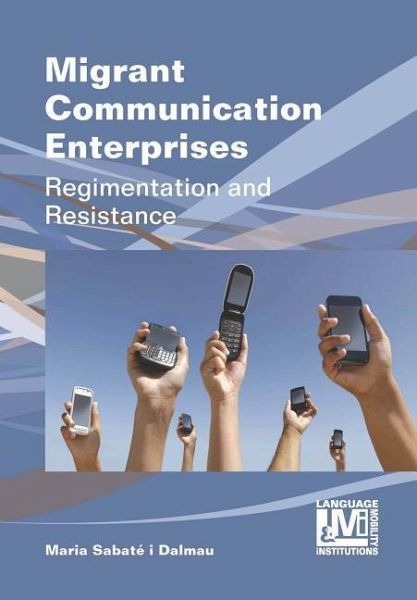
This unique critical sociolinguistic ethnography explores alternative migrant-regulated institutions of resistance and subversive communication technology: the locutorios or ethnic call shops. These migrant-owned businesses act as a window into their multimodal and hybrid linguistic and communicative practices, and into their own linguistic hierarchies and non-mainstream sociolinguistic orders. Here, socially displaced but technologically empowered transnational migrant populations actively find subversive ways to access information and communication technologies. As such they mobilise their own resources to successfully inhabit Catalonia, at the margins of powerful institutions. The book also focuses on the (internal) social organisation dynamics, as well as on the simultaneous fight against, and re-production of, practices and processes of social difference and social inequality among migrants themselves.