
Andere Kunden interessierten sich auch für
 Minority Rights and the National Question in Nigeria83,99 €
 A History of Nigeria101,99 €
 Nigerian Bureaucracy in an African Democracy93,99 €
 The Zaza Civilization41,99 €
 Nigeria20,99 €
 The Roots of Political Instability in Nigeria194,99 €
 Local Government in Western Nigeria20,99 €


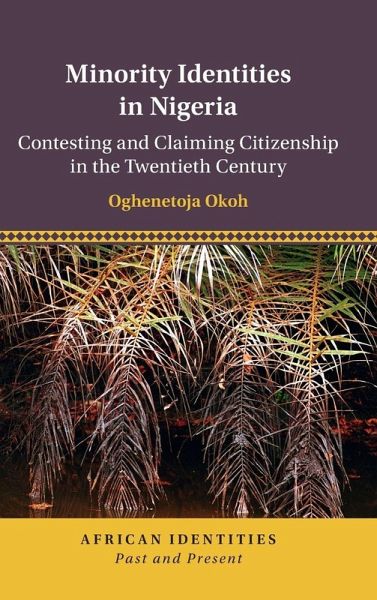
Ethnic majorities and minorities are produced over time by the same processes that define national borders and create national institutions. Minority Identities in Nigeria traces how western Niger Delta communities became political minorities first, through colonial administrative policies in the 1930s; and second, by embracing their minority status to make claims for resources and representation from the British government in the 1940s and 50s. This minority consciousness has deepened in the post-independence era, especially under the pressures of the crude oil economy. Blending discussion of local and regional politics in the Niger Delta with the wider literature on developmental colonialism, decolonization, and nationalism, Oghenetoja Okoh offers a detailed historical analysis of these communities. This study moves beyond a singular focus on the experience of crude oil extraction, exploring a longer history of state manipulation and exploitation in which minorities are construed as governable citizens.