
Andere Kunden interessierten sich auch für
 The misuse of the judicially-guided repressive system27,99 €
 Security interests in future assets29,99 €
 The practice of cybercrime in Colombia27,99 €
 Extended Confiscation of Illicit Assets and the Criminal Law165,99 €
 Neoliberal Corporate Governance, Oil MNCs and the Niger Delta Region:56,99 €
 The Regulation of Digital Assets in Nigeria40,99 €
 Problematic on determination and distribution of assets29,99 €



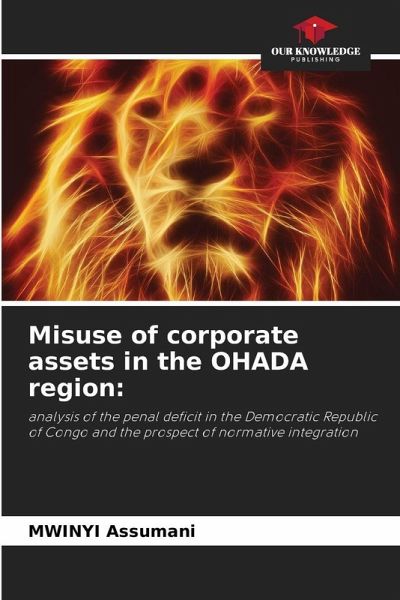
The study of corporate asset misappropriation reveals a paradox in the DRC. Although recognized by OHADA law, this offense remains without a specific penalty. This gap forces judges to resort to other charges, such as breach of trust, even though such a practice distorts the spirit of uniform law. It also creates legal uncertainty and undermines confidence in business. Two observations emerge: the existence of the offense and the absence of penalties. This regulatory deficit weakens the credibility of the DRC within OHADA. However, the legislature must intervene to determine penalties, as required by the Constitution and OHADA law. Pending this legislative intervention, consistent case law can limit uncertainties. Therefore, only a combination of legislative reform and case law will guarantee credible enforcement.