- Gebundenes Buch
- Merkliste
- Auf die Merkliste
- Bewerten Bewerten
- Teilen
- Produkt teilen
- Produkterinnerung
- Produkterinnerung
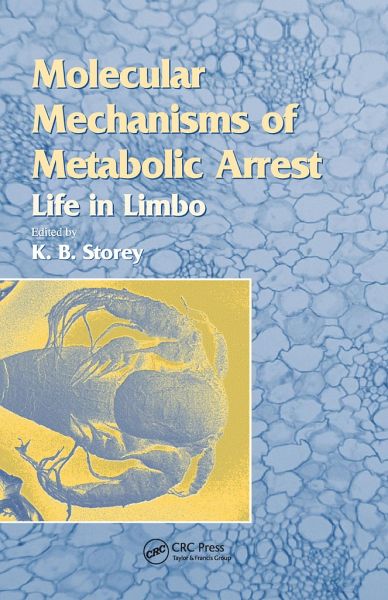
Molecular Mechanisms of Metabolic Arrest focuses on the latest opinions of molecular mechanisms and principles of dormancy regulation, highlighting various new concepts in metabolic rate control.
Andere Kunden interessierten sich auch für
Antibody-Drug Conjugates and Cellular Metabolic Dynamics113,99 €
Dietary Nutrients Effects on Metabolic and Physiological Adaptations66,99 €
Metabolic Syndrome and Neurological Disorders215,99 €
Ettore MurabitoDifferential metabolic control analysis in cancer research52,99 €
Nestor V. TorresPathway Analysis and Optimization in Metabolic Engineering46,99 €
Stefanie KindSynthetic Metabolic Engineering of Corynebacterium glutamicum for Bio-based Production of 1,5-Diaminopentane26,46 €
Israa A. MahmudEffects of Exercise and Exendin-4 on Metabolic Disturbances in Mice32,99 €-
-
-
Molecular Mechanisms of Metabolic Arrest focuses on the latest opinions of molecular mechanisms and principles of dormancy regulation, highlighting various new concepts in metabolic rate control.
Produktdetails
- Produktdetails
- Verlag: Garland Science
- Seitenzahl: 216
- Erscheinungstermin: 15. Juni 2001
- Englisch
- Abmessung: 235mm x 157mm x 17mm
- Gewicht: 508g
- ISBN-13: 9781859962121
- ISBN-10: 1859962122
- Artikelnr.: 21075207
- Herstellerkennzeichnung
- Libri GmbH
- Europaallee 1
- 36244 Bad Hersfeld
- gpsr@libri.de
- Verlag: Garland Science
- Seitenzahl: 216
- Erscheinungstermin: 15. Juni 2001
- Englisch
- Abmessung: 235mm x 157mm x 17mm
- Gewicht: 508g
- ISBN-13: 9781859962121
- ISBN-10: 1859962122
- Artikelnr.: 21075207
- Herstellerkennzeichnung
- Libri GmbH
- Europaallee 1
- 36244 Bad Hersfeld
- gpsr@libri.de
K.B. Storey
TURNING DOWN THE FIRES FOF LIFE: METABOLIC REGULATION OF HIBERNATION AND
ESTIVATION. Introduction. Reversible phosphorylation and enzyme control.
Signal transduction. Protein adaptation. Genes and hypometabolism.
Conclusions. References. HIBERNATION, A STATE OF NATURAL TOLERANCE TO
PROFOUND REDUCTION IN ORGAN BLOOD FLOW AND OXYGEN DELIVERY CAPACITY.
Introduction - general features. Modulation of enzyme activity in
hibernation. Hibernation induction factors. Hibernation specific factors.
Adaptive changes in hibernation. Suppression of protein synthesis in brain
during hibernation. Changes in gene expression during hibernation. Summary.
References. THE ATP-SENSITIVE POTASSIUM CHANNEL: A METABOIC SENSOR.
Introduction. The plasmalemmal K ATP channels. Conclusions. References.
MITOCHONDRIAL PROTON LEAK IN METABOIC DEPRESSION. Introduction.
Mitochondrial proton leak. The contribution of mitochondrial proton cycling
to standard metabolic rate. The problem of mitochondrial proton cycling in
metabolic depression. Proton cycling in mitochondrial isolated from
metabolically depressed animals. Proton cycling in intact cells isolated
metabolically depressed animals. Conclusions. References. THE HYPOXIC
BRAIN: SUPRESSING ENERGY-EXPENSIVE MEMBRANE FUNCTIONS BY REGULATION OF
RECEPTORS AND ION CHANNELS. Introduction. Significance. Nature of hypoxic
brain injury in oxygen-sensitive brains: a brief overview. Hypoxia-tolerant
vertebrate neurons. Metabolic and ion channel arrest in hypoxia-tolerant
neurons: what are the targets. Electrical activity and properties of
neurons from anoxia-tolerant neurons. Conclusions. References. ANOXIA
SURVIVAL AND METABOLIC ARREST IN THE TURTLE. Introduction. Metabolism
during anoxic submergence. Aquatic respiration in turtles. References.
THERMOSTASIS IN HYPOXIC ANIMALS. Introduction. Occurrence of
hypoxia-induced hypothermia. Mechanism of hypoxia-induced hypothermia.
Potential mediators of hypothermia. Functional significance of
hypoxia-induced hypothermia. References. CELLULAR INTERACTIONS BETWEEN
RESPIRATION AND THERMOREGULATION: THE PARAMECIUM. Introduction.
Thermoregulation in the paramecium. Hypoxia-induced decreases in Ts in the
paramecium. Conclusion. References. COUPLING OF STRESS-INDUCED GENE
EXPRESSION WITH GROWTH ARREST IN BUDDING YEAST. Introduction - the general
biological context. The general stress response in budding yeast.
References. TIME FOR A REST: PROGRAMMED DISPAUSE IN INSECTS. Introduction.
The critical role of the brain. Diapause up-regulated genes. Diapause
down-regulated genes. Gene expression associated with hormonal regulators
of diapause. The gaps. References. DO STRESS PROTEINS EMBRYOS DURING
METABOLIC ARREST AND DISPAUSE?. General properties and regulation of
diapause. Protein folding, molecular chaperones and the small
heat/shock/a-crystallin proteins. Molecular chaperones and insect diapause.
Artemia diapause and p26, a small heat shock/a-crystallin protein.
Perspectives and conclusion. References. MOLECULAR MECHANISMS OF
DESICCATION TOLERANCE IN PLANTS. Introduction. Resurrection plants.
Proteins with protective properties (LEA proteins). Activation of gene
expression during dehydration: preparation for survival. Regulation of gene
expression in C. plantagineum during dehydration. Perception of
dehydration. Conclusions. References. INDEX.
ESTIVATION. Introduction. Reversible phosphorylation and enzyme control.
Signal transduction. Protein adaptation. Genes and hypometabolism.
Conclusions. References. HIBERNATION, A STATE OF NATURAL TOLERANCE TO
PROFOUND REDUCTION IN ORGAN BLOOD FLOW AND OXYGEN DELIVERY CAPACITY.
Introduction - general features. Modulation of enzyme activity in
hibernation. Hibernation induction factors. Hibernation specific factors.
Adaptive changes in hibernation. Suppression of protein synthesis in brain
during hibernation. Changes in gene expression during hibernation. Summary.
References. THE ATP-SENSITIVE POTASSIUM CHANNEL: A METABOIC SENSOR.
Introduction. The plasmalemmal K ATP channels. Conclusions. References.
MITOCHONDRIAL PROTON LEAK IN METABOIC DEPRESSION. Introduction.
Mitochondrial proton leak. The contribution of mitochondrial proton cycling
to standard metabolic rate. The problem of mitochondrial proton cycling in
metabolic depression. Proton cycling in mitochondrial isolated from
metabolically depressed animals. Proton cycling in intact cells isolated
metabolically depressed animals. Conclusions. References. THE HYPOXIC
BRAIN: SUPRESSING ENERGY-EXPENSIVE MEMBRANE FUNCTIONS BY REGULATION OF
RECEPTORS AND ION CHANNELS. Introduction. Significance. Nature of hypoxic
brain injury in oxygen-sensitive brains: a brief overview. Hypoxia-tolerant
vertebrate neurons. Metabolic and ion channel arrest in hypoxia-tolerant
neurons: what are the targets. Electrical activity and properties of
neurons from anoxia-tolerant neurons. Conclusions. References. ANOXIA
SURVIVAL AND METABOLIC ARREST IN THE TURTLE. Introduction. Metabolism
during anoxic submergence. Aquatic respiration in turtles. References.
THERMOSTASIS IN HYPOXIC ANIMALS. Introduction. Occurrence of
hypoxia-induced hypothermia. Mechanism of hypoxia-induced hypothermia.
Potential mediators of hypothermia. Functional significance of
hypoxia-induced hypothermia. References. CELLULAR INTERACTIONS BETWEEN
RESPIRATION AND THERMOREGULATION: THE PARAMECIUM. Introduction.
Thermoregulation in the paramecium. Hypoxia-induced decreases in Ts in the
paramecium. Conclusion. References. COUPLING OF STRESS-INDUCED GENE
EXPRESSION WITH GROWTH ARREST IN BUDDING YEAST. Introduction - the general
biological context. The general stress response in budding yeast.
References. TIME FOR A REST: PROGRAMMED DISPAUSE IN INSECTS. Introduction.
The critical role of the brain. Diapause up-regulated genes. Diapause
down-regulated genes. Gene expression associated with hormonal regulators
of diapause. The gaps. References. DO STRESS PROTEINS EMBRYOS DURING
METABOLIC ARREST AND DISPAUSE?. General properties and regulation of
diapause. Protein folding, molecular chaperones and the small
heat/shock/a-crystallin proteins. Molecular chaperones and insect diapause.
Artemia diapause and p26, a small heat shock/a-crystallin protein.
Perspectives and conclusion. References. MOLECULAR MECHANISMS OF
DESICCATION TOLERANCE IN PLANTS. Introduction. Resurrection plants.
Proteins with protective properties (LEA proteins). Activation of gene
expression during dehydration: preparation for survival. Regulation of gene
expression in C. plantagineum during dehydration. Perception of
dehydration. Conclusions. References. INDEX.
TURNING DOWN THE FIRES FOF LIFE: METABOLIC REGULATION OF HIBERNATION AND
ESTIVATION. Introduction. Reversible phosphorylation and enzyme control.
Signal transduction. Protein adaptation. Genes and hypometabolism.
Conclusions. References. HIBERNATION, A STATE OF NATURAL TOLERANCE TO
PROFOUND REDUCTION IN ORGAN BLOOD FLOW AND OXYGEN DELIVERY CAPACITY.
Introduction - general features. Modulation of enzyme activity in
hibernation. Hibernation induction factors. Hibernation specific factors.
Adaptive changes in hibernation. Suppression of protein synthesis in brain
during hibernation. Changes in gene expression during hibernation. Summary.
References. THE ATP-SENSITIVE POTASSIUM CHANNEL: A METABOIC SENSOR.
Introduction. The plasmalemmal K ATP channels. Conclusions. References.
MITOCHONDRIAL PROTON LEAK IN METABOIC DEPRESSION. Introduction.
Mitochondrial proton leak. The contribution of mitochondrial proton cycling
to standard metabolic rate. The problem of mitochondrial proton cycling in
metabolic depression. Proton cycling in mitochondrial isolated from
metabolically depressed animals. Proton cycling in intact cells isolated
metabolically depressed animals. Conclusions. References. THE HYPOXIC
BRAIN: SUPRESSING ENERGY-EXPENSIVE MEMBRANE FUNCTIONS BY REGULATION OF
RECEPTORS AND ION CHANNELS. Introduction. Significance. Nature of hypoxic
brain injury in oxygen-sensitive brains: a brief overview. Hypoxia-tolerant
vertebrate neurons. Metabolic and ion channel arrest in hypoxia-tolerant
neurons: what are the targets. Electrical activity and properties of
neurons from anoxia-tolerant neurons. Conclusions. References. ANOXIA
SURVIVAL AND METABOLIC ARREST IN THE TURTLE. Introduction. Metabolism
during anoxic submergence. Aquatic respiration in turtles. References.
THERMOSTASIS IN HYPOXIC ANIMALS. Introduction. Occurrence of
hypoxia-induced hypothermia. Mechanism of hypoxia-induced hypothermia.
Potential mediators of hypothermia. Functional significance of
hypoxia-induced hypothermia. References. CELLULAR INTERACTIONS BETWEEN
RESPIRATION AND THERMOREGULATION: THE PARAMECIUM. Introduction.
Thermoregulation in the paramecium. Hypoxia-induced decreases in Ts in the
paramecium. Conclusion. References. COUPLING OF STRESS-INDUCED GENE
EXPRESSION WITH GROWTH ARREST IN BUDDING YEAST. Introduction - the general
biological context. The general stress response in budding yeast.
References. TIME FOR A REST: PROGRAMMED DISPAUSE IN INSECTS. Introduction.
The critical role of the brain. Diapause up-regulated genes. Diapause
down-regulated genes. Gene expression associated with hormonal regulators
of diapause. The gaps. References. DO STRESS PROTEINS EMBRYOS DURING
METABOLIC ARREST AND DISPAUSE?. General properties and regulation of
diapause. Protein folding, molecular chaperones and the small
heat/shock/a-crystallin proteins. Molecular chaperones and insect diapause.
Artemia diapause and p26, a small heat shock/a-crystallin protein.
Perspectives and conclusion. References. MOLECULAR MECHANISMS OF
DESICCATION TOLERANCE IN PLANTS. Introduction. Resurrection plants.
Proteins with protective properties (LEA proteins). Activation of gene
expression during dehydration: preparation for survival. Regulation of gene
expression in C. plantagineum during dehydration. Perception of
dehydration. Conclusions. References. INDEX.
ESTIVATION. Introduction. Reversible phosphorylation and enzyme control.
Signal transduction. Protein adaptation. Genes and hypometabolism.
Conclusions. References. HIBERNATION, A STATE OF NATURAL TOLERANCE TO
PROFOUND REDUCTION IN ORGAN BLOOD FLOW AND OXYGEN DELIVERY CAPACITY.
Introduction - general features. Modulation of enzyme activity in
hibernation. Hibernation induction factors. Hibernation specific factors.
Adaptive changes in hibernation. Suppression of protein synthesis in brain
during hibernation. Changes in gene expression during hibernation. Summary.
References. THE ATP-SENSITIVE POTASSIUM CHANNEL: A METABOIC SENSOR.
Introduction. The plasmalemmal K ATP channels. Conclusions. References.
MITOCHONDRIAL PROTON LEAK IN METABOIC DEPRESSION. Introduction.
Mitochondrial proton leak. The contribution of mitochondrial proton cycling
to standard metabolic rate. The problem of mitochondrial proton cycling in
metabolic depression. Proton cycling in mitochondrial isolated from
metabolically depressed animals. Proton cycling in intact cells isolated
metabolically depressed animals. Conclusions. References. THE HYPOXIC
BRAIN: SUPRESSING ENERGY-EXPENSIVE MEMBRANE FUNCTIONS BY REGULATION OF
RECEPTORS AND ION CHANNELS. Introduction. Significance. Nature of hypoxic
brain injury in oxygen-sensitive brains: a brief overview. Hypoxia-tolerant
vertebrate neurons. Metabolic and ion channel arrest in hypoxia-tolerant
neurons: what are the targets. Electrical activity and properties of
neurons from anoxia-tolerant neurons. Conclusions. References. ANOXIA
SURVIVAL AND METABOLIC ARREST IN THE TURTLE. Introduction. Metabolism
during anoxic submergence. Aquatic respiration in turtles. References.
THERMOSTASIS IN HYPOXIC ANIMALS. Introduction. Occurrence of
hypoxia-induced hypothermia. Mechanism of hypoxia-induced hypothermia.
Potential mediators of hypothermia. Functional significance of
hypoxia-induced hypothermia. References. CELLULAR INTERACTIONS BETWEEN
RESPIRATION AND THERMOREGULATION: THE PARAMECIUM. Introduction.
Thermoregulation in the paramecium. Hypoxia-induced decreases in Ts in the
paramecium. Conclusion. References. COUPLING OF STRESS-INDUCED GENE
EXPRESSION WITH GROWTH ARREST IN BUDDING YEAST. Introduction - the general
biological context. The general stress response in budding yeast.
References. TIME FOR A REST: PROGRAMMED DISPAUSE IN INSECTS. Introduction.
The critical role of the brain. Diapause up-regulated genes. Diapause
down-regulated genes. Gene expression associated with hormonal regulators
of diapause. The gaps. References. DO STRESS PROTEINS EMBRYOS DURING
METABOLIC ARREST AND DISPAUSE?. General properties and regulation of
diapause. Protein folding, molecular chaperones and the small
heat/shock/a-crystallin proteins. Molecular chaperones and insect diapause.
Artemia diapause and p26, a small heat shock/a-crystallin protein.
Perspectives and conclusion. References. MOLECULAR MECHANISMS OF
DESICCATION TOLERANCE IN PLANTS. Introduction. Resurrection plants.
Proteins with protective properties (LEA proteins). Activation of gene
expression during dehydration: preparation for survival. Regulation of gene
expression in C. plantagineum during dehydration. Perception of
dehydration. Conclusions. References. INDEX.