
Andere Kunden interessierten sich auch für
 Logic, Language, and Meaning, Volume 153,99 €
 Magical Nominalism45,99 €
 Deconstruction in a Nutshell41,99 €
 Enumerations38,99 €
 The Force of Truth33,99 €
 The Truth about Language - What It Is and Where It Came From38,99 €
 Wittgenstein50,99 €

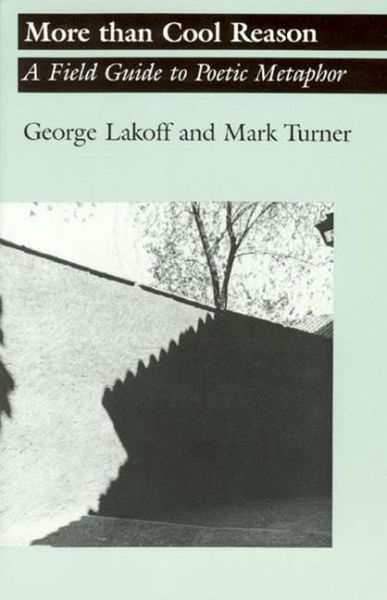
A classic account of how metaphor works in literature--and what we can draw from that for everyday life--from two of the leading scholars of language We usually think of the language of poetry, the metaphors that poets use to express their intentions, as far removed from ordinary life. But in More than Cool Reason, George Lakoff and Mark Turner show how understanding how metaphor works in poetry, the tasks it takes on and the ways it shapes our patterns of thought, can be hugely helpful to seeing and understanding how we think in all manner of other fields and areas of life. Metaphor, they show, is a tool so familiar, so everyday, that we fail to notice it. Lakoff and Turner correct that failure here, helping us see how richly metaphorical our language and thought are, and what that means for not only reading and enjoying poetry and literature, but also for linguistics, philosophy, psychology, anthropology, cognitive science, and more.