

Andere Kunden interessierten sich auch für
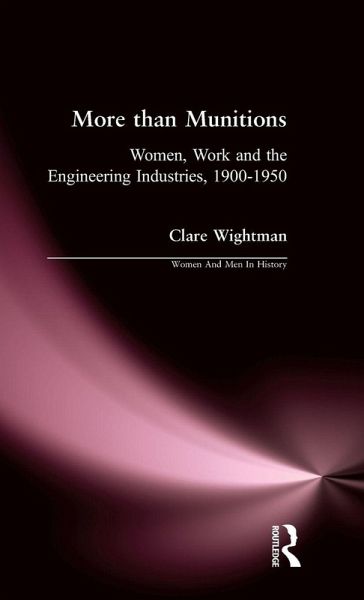
 More than Munitions29,99 €
 More-Than-Human Diasporas170,99 €
 Future War In Cities253,99 €
 Lower Than the Angels29,99 €
 More Equal Than Others34,99 €
 Narratives of the Sufferings of Lewis and Milton Clarke, Sons of a Soldier of the Revolution, During a Captivity of More Than Twenty Years Among the Slaveholders of Kentucky, one of the so Called Christian States of North America. Dictated by Themselves29,99 €
 No One Has More Love Than This...12,99 €






Clare Wightman explores the key issue of gender in explaining the experience of men and women at work. She uses women's employment in the engineering industries between 1900 and 1950 to confront many of the contentious debates in women's history. She shows that the two World Wars did not produce radical changes for women at work.