
Andere Kunden interessierten sich auch für
 Fundraising for Impact in Libraries, Archives, and Museums167,99 €
 Object Performance in the Black Atlantic171,99 €
 The Responsive Museum168,99 €
 Evaluating Early Learning in Museums64,99 €
 Museums, Heritage and Indigenous Voice186,99 €
 Public Art, Memorials and Atlantic Slavery38,99 €
 Museums, International Exhibitions and China's Cultural Diplomacy52,99 €



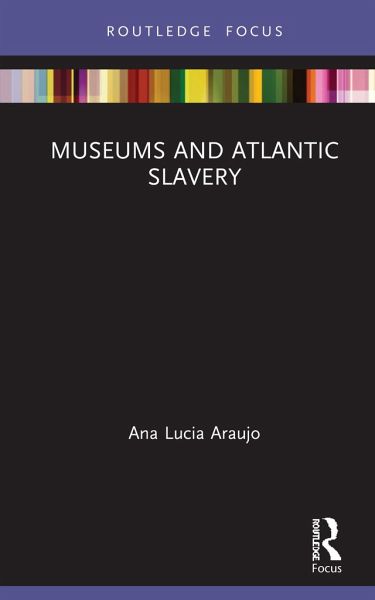
It is a direct, compelling reading about a topic of the utmost importance to public historians working today when debates about the public presentation of history are inevitably crisscrossed by demands for representation. The clear question that Araujo asks and proposes to answer is how societies that experienced slavery or participated in the Atlantic slave trade represent these themes in their museums, whether in their permanent collections or in temporary exhibitions.
- Ricardo Santhiago, University of California Press
- Ricardo Santhiago, University of California Press